Council objects to revised Unshinagh wind farm plan despite fewer turbines
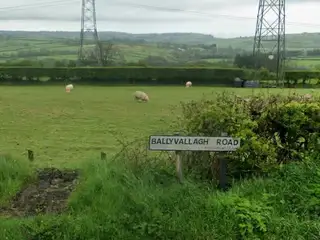
Mid and East Antrim Borough Council has maintained its objection to a proposed wind farm in the Antrim Coast and Glens Area of Outstanding Natural Beauty, despite a revised plan that reduces turbine numbers from 14 to nine.
The Unshinagh Wind Farm, proposed by Larne-based Renewable Energy Systems (RES), is located approximately five miles south-west of Carnlough and five miles west of Glenarm. The site lies within the eastern Garron Plateau and Scarp Slopes Area of Constraint on High Structures.
The Department for Infrastructure refused planning permission for the original 14-turbine scheme in 2024. In June, RES submitted an amended proposal cutting the number to nine turbines, each 180 metres high, along with changes to a sub-station and battery storage.
A draft response from the council's planning committee said the council remains concerned about visual impacts. The committee noted that the proposal would detract from the high quality landscape and adversely affect the unique characteristics of the AONB, the settlements of Carnlough and Glenarm, and their conservation areas.
The council also stated that the proposal would prejudice the designated Area of Constraint on High Structures and undermine policy protecting distinctive and vulnerable landscapes. Four of the nine turbines in the amended proposal remain within that area.
The council's response referenced the Larne Area Plan, which supports reducing fossil fuel demand but says the AONB would not be considered suitable for wind turbines. Regional policy supports renewable energy where appropriate, but the council believes this development would have unacceptable adverse visual impacts and harm tourism.
The council is not the decision-making body for the application. That role falls to the Department for Infrastructure.
Jennifer McCorry, project manager at RES, said the company submitted a significantly revised proposal after the original refusal. The reduction from 14 to nine turbines aimed to address landscape, visual, environmental, and ornithological concerns. She said the scheme could still generate enough electricity for approximately 45,000 homes annually and deliver around £29 million of investment in the Northern Ireland economy during construction.