Bangor man praises clinic that helped him understand 11-week ICU fight
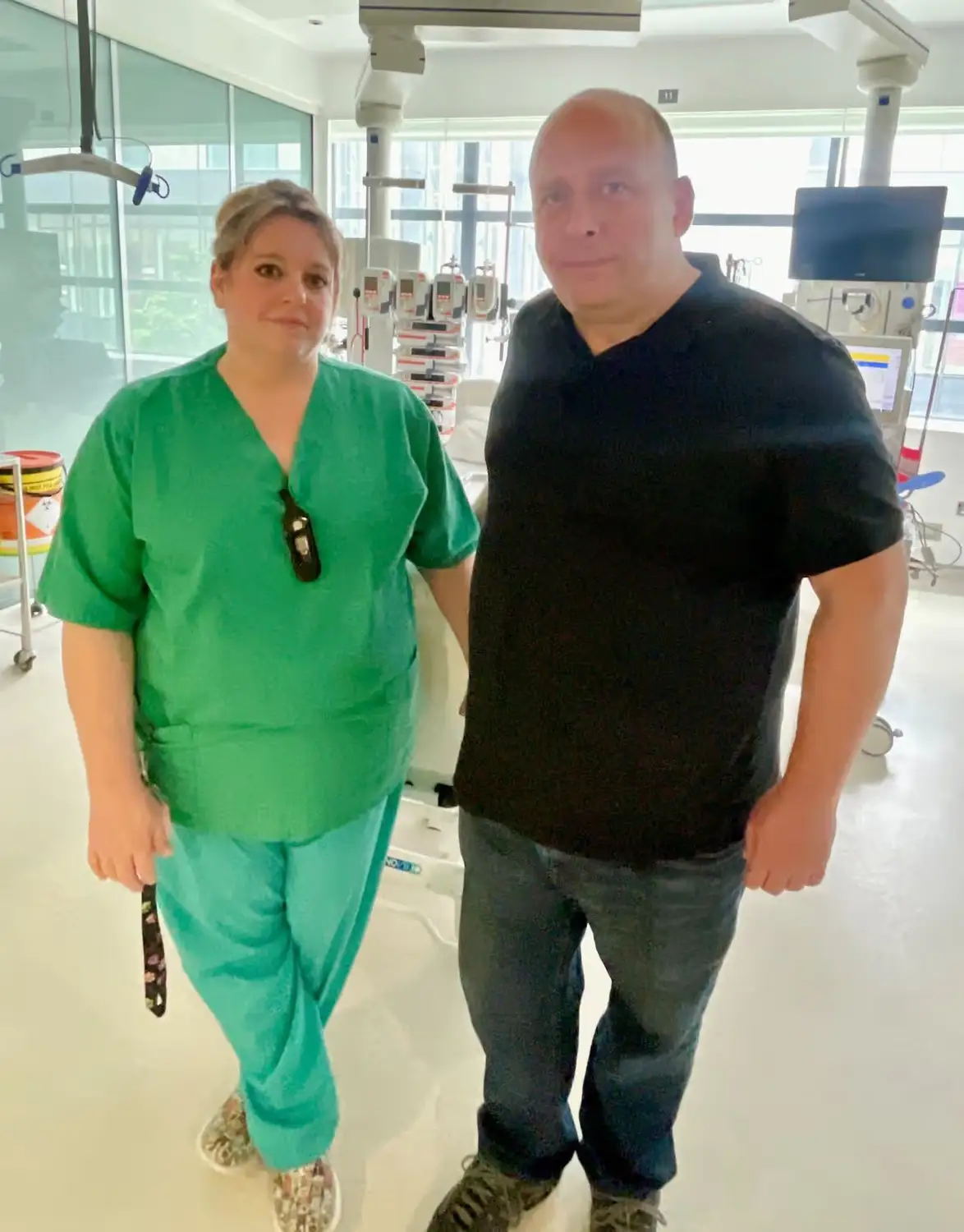
A County Down man who spent 11 weeks in intensive care after contracting pneumonia and developing sepsis has spoken about the specialist clinic that helped him piece together his lost memories and rebuild his life.
Adam Bayliss, from Bangor, was admitted to the Ulster Hospital's ICU in December 2025. He was placed in an induced coma and on a ventilator after suffering multiple organ failure and blood clots.
The South Eastern Health and Social Care Trust runs a Critical Care Recovery Clinic at the hospital, one of the first such services in Northern Ireland when it opened over 15 years ago. It supports former ICU patients and their families as they deal with the physical, emotional and psychological consequences of life-threatening illness.
A multi-disciplinary team of an ICU consultant, nurse, pharmacist and physiotherapist leads the clinic. Patients can return to the unit, meet the staff who treated them and visit their bed space, which is intended to fill gaps left by sedation and help them understand their medical journey.
Mr Bayliss said he remembers little from early December 2025 until mid-January 2026. He began feeling unwell at work, later coughed up blood, and after a GP found his oxygen levels dangerously low he was sent straight to the emergency department and then to intensive care.
After coming out of the coma, he had to learn to walk again and regain strength. He said one of the hardest parts after leaving ICU was grasping how serious his illness had been. The recovery clinic gave him a chance to ask questions, meet the doctors and nurses, and come to terms with his experience.
ICU sister Lucy Wilkinson explained that recovery continues long after discharge. The clinic provides assessment, rehabilitation advice and emotional support. She said many patients have little recollection of their ICU stay, which can cause distress, and visiting the unit can be a powerful part of healing.
ICU consultant Dr David Hendron said high levels of anxiety and post-traumatic stress can follow critical illness. The clinic helps fill in blank periods and explain treatments, allowing patients to regain a sense of control. Pharmacist Mairead McGrath added that the team reviews medications and addresses any concerns to support ongoing recovery.
Mr Bayliss said the clinic made him realise how far he had progressed. He expressed gratitude to staff and encouraged others facing similar challenges to seek help, saying they are not alone.