Starmer apologises to families of Springhill shooting victims after inquest finds Army lost control
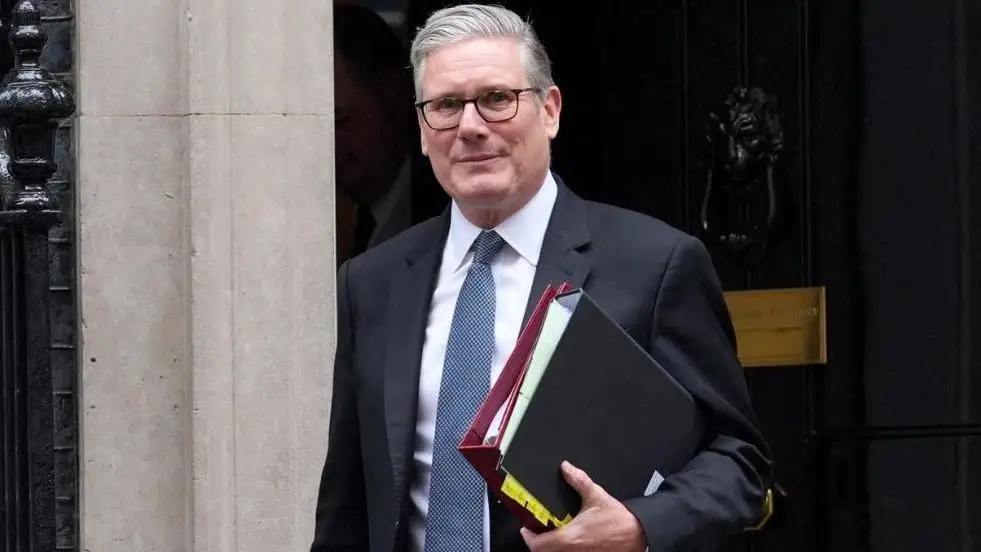
After 54 years, the families of five people shot dead by the Army in west Belfast have received a formal apology from the British Prime Minister. Sir Keir Starmer told the House of Commons that the state must hold itself to the highest standard and that the government accepts and deeply regrets the findings of an inquest into the deaths.
The inquest, completed in April 2024 just before a deadline imposed by the Legacy Act, examined the killings of Margaret Gargan, 13; David McCafferty, 15; John Dougal, 16; Patrick Butler, 37, a father of six; and Fr Noel Fitzpatrick, 42. They were shot within minutes of each other on the Springhill estate on 9 July 1972.
Coroner Mr Justice Scoffield concluded that soldiers had lost control and that the force used in all five shootings was not reasonable. He found that four of the victims were killed by the same soldier, and two by a single bullet. Margaret Gargan was shot in the face by a different soldier. No warning was given. The coroner described Fr Fitzpatrick, Patrick Butler and Margaret Gargan as wholly innocent victims, and said David McCafferty was regarded as innocent. While the conduct of John Dougal before his death remained unclear, the coroner said he should not have been shot, having been struck in the back while retreating.
Starmer said the findings were sobering. While circumstances were challenging, he said the duty of the state was to hold itself to the highest standard. He added that the government accepts and deeply regrets the findings and apologises unreservedly for the grief and trauma the families have endured since the deaths of their loved ones. He also sent letters of apology to each of the five families.
Natasha Butler, a granddaughter of Patrick Butler, called the apology a weight lifted and said it felt heartfelt after 54 years of pain. Harry Gargan, brother of Margaret, described it as the final step and said he thinks of his sister constantly; he took Starmer's words as sincere. Jimmy Dougal, brother of John, welcomed the apology but said there had been no difficult circumstances that night, and that soldiers had fired indiscriminately. He expressed sorrow that his parents did not live to see the acknowledgement.
First Minister Michelle O'Neill said the apology was an important acknowledgement of the suffering endured by the families. She noted that they join relatives of those killed on Bloody Sunday and in Ballymurphy who also campaigned successfully for official findings. Sinn Féin MP Paul Maskey paid tribute to the families' perseverance in challenging the official narrative. SDLP Leader Claire Hanna said it should never have taken more than 50 years for the acknowledgement and called for effective legacy mechanisms.
The Bloody Sunday Trust also welcomed the apology and praised the families' courage and determination over more than five decades.