Springhill Inquest: All Five Victims Should Not Have Been Shot, Coroner Finds
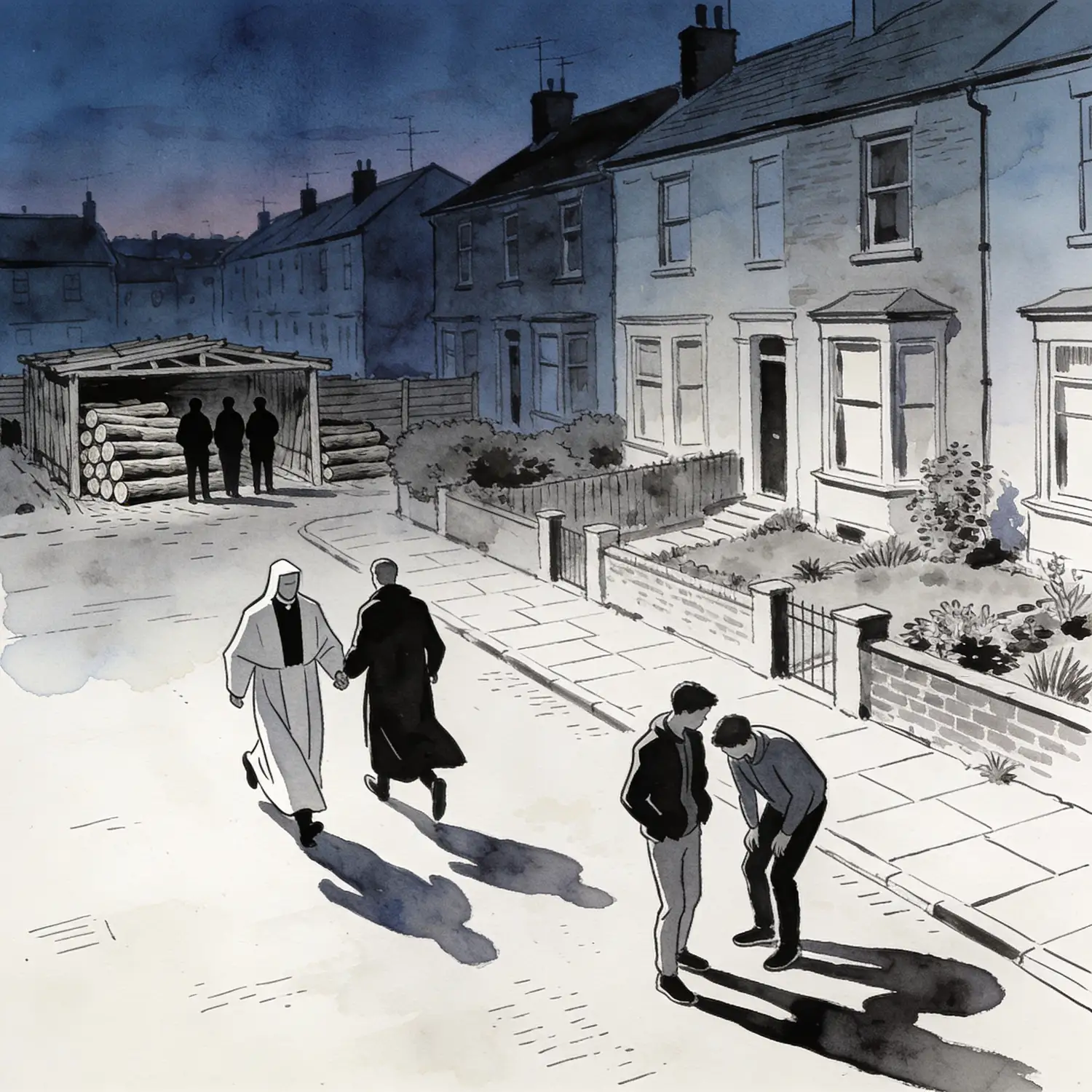
A coroner has found that all five people killed in the Springhill and Westrock area of Belfast on 9 July 1972 should not have been shot, and that every fatal shooting was carried out by soldiers acting in breach of the rules governing the use of lethal force. Mr Justice Scoffield delivered his findings on 30 April 2026 into the deaths of John Joseph Dougal (16), Father John Noel Fitzpatrick (42), Patrick Joseph Butler (37), David McCafferty (15) and Margaret Gargan (13), each of whom died from a single high-velocity gunshot wound.
The inquest formally opened on 20 February 2023 and heard oral evidence from more than 80 witnesses over approximately 70 hearing days before concluding on 30 April 2024. An earlier inquest held in July 1973 had returned open verdicts in respect of all five deaths. The Attorney General for Northern Ireland directed fresh inquests on 22 December 2014 under section 14 of the Coroners Act (Northern Ireland) 1959. The coroner found that, until now, there had not been an adequate or effective investigation into the five deaths.
The coroner grouped the deaths into three separate incidents, all occurring within a short window between approximately 21:30 and shortly before 22:00 on the night in question. Two soldiers from the 1st Battalion, King's Regiment had been shot and seriously wounded in the wider area that same evening, and the Provisional IRA ceasefire that had begun in late June 1972 had collapsed earlier that day following a confrontation in the Lenadoon area of Belfast. Soldiers from the army were operating from Corry's Wood Yard, which had itself been the target of repeated attacks between 2 and 5 May 1972.
John Dougal was shot in the back by a soldier - most likely Soldier A - positioned in Corry's Timber Yard, while he was bending for cover and running away from the yard at or about 21:50. While the coroner accepted Dougal was a member of the junior wing of the PIRA and could not determine he was acting innocently, he found it had not been proven Dougal was armed at the time. Given that he was shot in the back while retreating, the coroner found the force used was not reasonable under the yellow card rules.
Father Fitzpatrick and Patrick Butler were found to have been acting in a humanitarian capacity, seeking to assist wounded civilians, when they were struck by the same bullet at or about 22:00 near the southeast corner of 84 Westrock Gardens. The bullet passed through Father Fitzpatrick before striking Butler in the head. David McCafferty was shot in the left side of his back while most likely attempting to assist or recover Father Fitzpatrick's body. The coroner found all three were unarmed and posed no risk to anyone at the time they were shot. He attributed all three deaths to Soldier A, finding that soldier had lost control following the earlier shooting incident and fired without making a proper assessment of any risk.
Margaret Gargan was shot directly in the head while stopped on the pavement at Westrock Gardens talking to friends on her way home from a local community centre, at or about 22:00. The coroner found she was shot by a soldier - most likely Soldier E - positioned in Corry's Timber Yard. No military witness admitted to shooting her. The coroner examined a statement from Soldier E describing the shooting of an alleged gunman in Westrock Gardens at around the same time but concluded that aspects of that account, particularly the claim the person shot was armed, were unreliable and likely mistaken or embellished after the event. The coroner was satisfied Gargan was unarmed and posed no risk, and that no one in her immediate vicinity posed any such risk at the time.
The coroner described Father Fitzpatrick, Patrick Butler and Margaret Gargan as wholly innocent victims. David McCafferty was regarded as an innocent victim on the basis he was unarmed and not engaged in offensive activity. Although the coroner said suspicions remained regarding John Dougal's conduct prior to his death, he found Dougal too should not have been shot. The coroner said it was impossible to determine, even on the balance of probabilities, the true identities of the ciphered soldiers, including Soldier A and Soldier E, noting that the loss of the cipher list identifying seven soldiers who had provided statements to the Royal Military Police materially constrained his investigation.