VAT cut on electricity bills to bypass Northern Ireland under EU rules
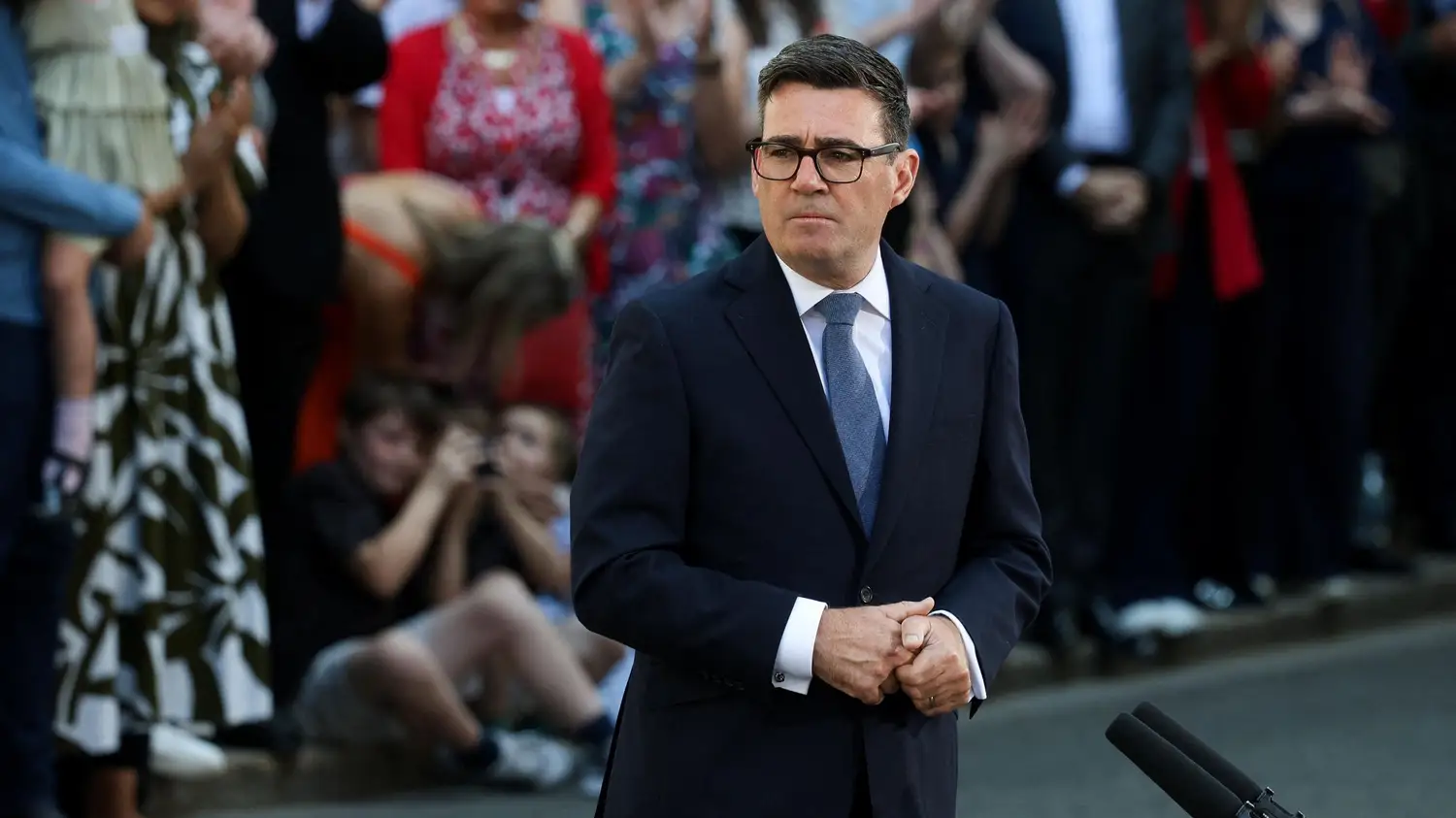
Northern Ireland households will not see a reduction in VAT on electricity bills announced this week by Prime Minister Andy Burnham, because EU VAT rules under the Windsor Framework prevent the cut from applying. Instead, the UK government will provide the Stormont executive with equivalent funding to support households.
The VAT rate on electricity in Great Britain will fall from 5% to 0% from 1 October, a move the government estimates will save the typical customer about £45 over six months. The measure is part of an £850 million package to ease cost-of-living pressures.
But the Treasury confirmed that under the terms of the UK's withdrawal from the EU, EU VAT rates apply to goods including electricity in Northern Ireland. Implementing the reduction would require EU agreement, which has not been sought. The government said providing comparable funding to the executive was the fastest way to deliver support.
Communities Minister Gordon Lyons told BBC Radio Ulster that the approach showed the 'madness' of the post-Brexit rules and criticised the lack of a direct derogation from the EU. He said the government was effectively telling Stormont to administer the relief locally rather than resolve the issue with Brussels. Lyons said it was too early to know what the arrangement would look like and that it would not be simple.
He also raised the long-standing demand for the Northern Ireland Housing Executive to be given borrowing powers, saying it was a test of Burnham's commitment to housebuilding. The Prime Minister has pledged the biggest council house building programme since the post-war period, but Treasury approval for NIHE borrowing has not been granted.
Burnham spoke with the First Minister and deputy First Minister on Tuesday, stressing a desire for collaborative working with devolved administrations. The new cabinet met for the first time that day, with the Prime Minister telling ministers the government must be a 'cost of living government'.
The VAT issue first arose in 2022 when then-Chancellor Rishi Sunak cut VAT on energy goods like solar panels, and it was partially resolved through the Windsor Framework in 2023. The current situation highlights ongoing friction between UK tax policy and Northern Ireland's post-Brexit trading arrangements.