Queen's University Student Develops VR Tool for Acrophobia Treatment
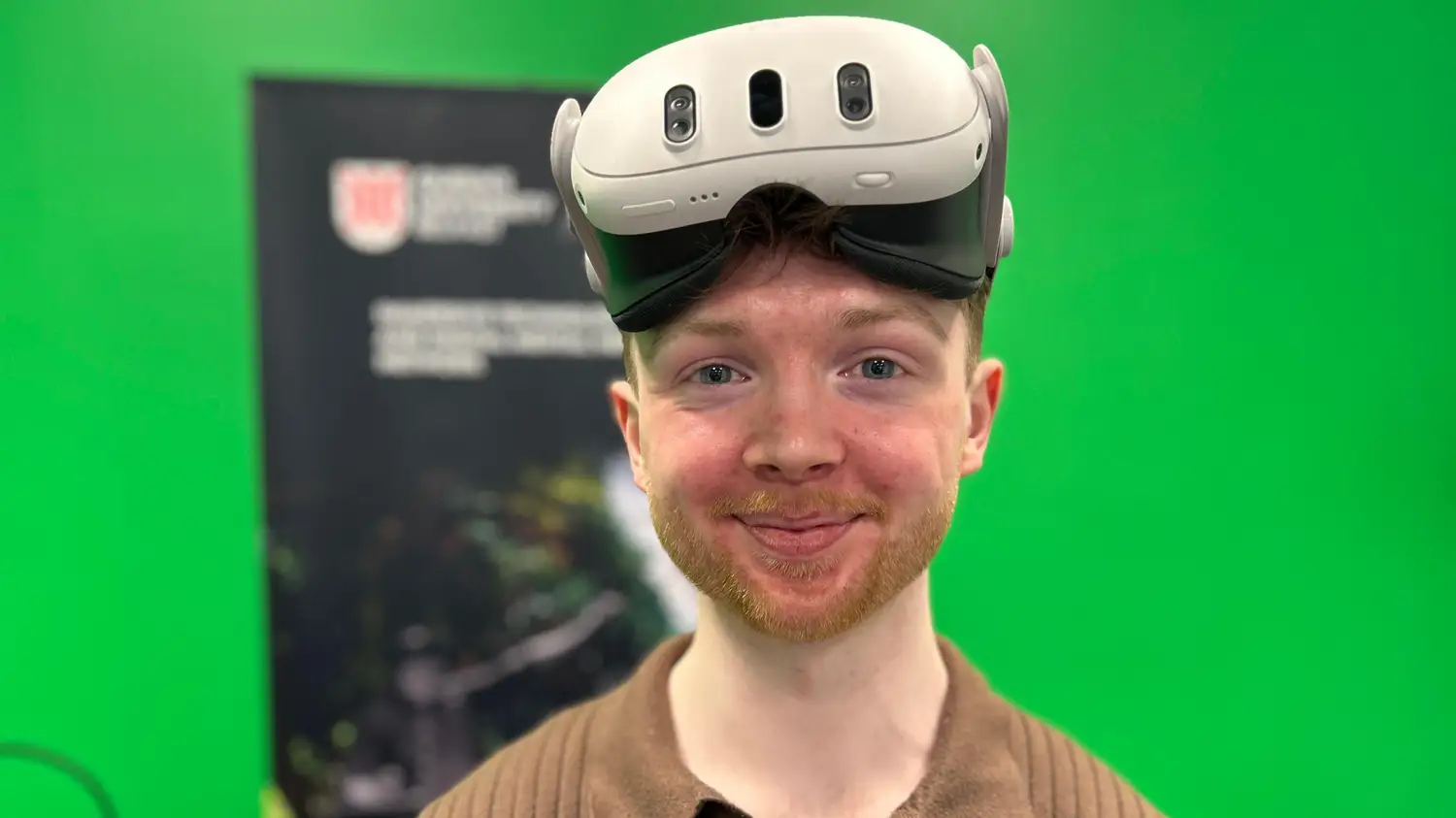
A computer science student at Queen's University Belfast has developed a virtual reality platform designed to help therapists treat acrophobia. Liam Harte leads the project through his startup Rephobia after three years of work.
The platform features sessions that expose users to progressively higher virtual environments, culminating at the top of a 16-storey crane. Users start in a virtual garage to learn controls, move to a therapist's office as a safe space, then advance to a building site with scaffolding and a crane. Participants complete tasks at each level and rate their anxiety from one to ten.
The tool also includes 360-degree video footage of Belfast at similar heights. Dr Paul Best, professor of mental health at the university and study lead, states the technology serves as an aid for practitioners, not a replacement for traditional therapy.
Harte drew inspiration from his own experiences with exposure therapy for public speaking anxiety. A pilot study with 20 to 30 participants, conducted with QUB researchers, tests the platform's immersion without involving those who have acrophobia.
Early testers included Arlene Kee from the Education Authority, who noted higher anxiety in the interactive session compared to the video. Colm Walsh, a senior lecturer in criminology at QUB, reported the simulations induced unexpected anxieties despite his comfort with heights.
Best describes a phobia as a fear that disrupts major life decisions, unlike a simple fear. Harte plans to extend the platform to other phobias and anxiety disorders.