Ards and North Down Borough Council considers electric bin lorry trial
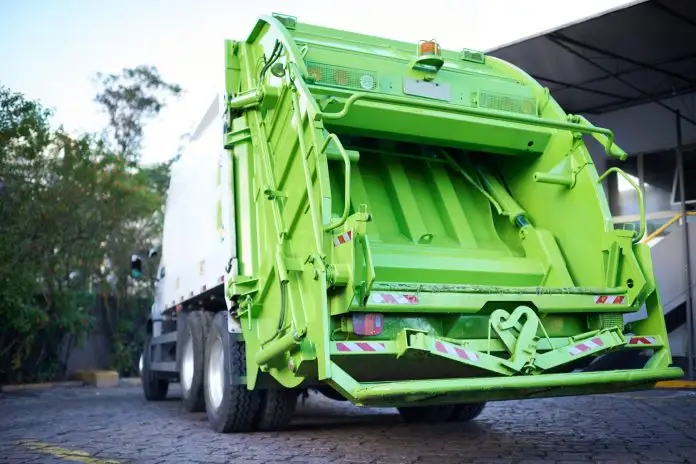
Ards and North Down Borough Council is exploring an 18-month trial of a fully electric bin lorry, as part of efforts to reduce carbon emissions from its refuse collection fleet.
The council's Green Fleet roadmap has identified battery electric vehicles as suitable for smaller vehicles in the short term. Hydrogen-powered vehicles are being considered for heavier vehicles like bin lorries in the longer term. However, significant barriers to hydrogen remain, including the lack of a local refuelling network, high costs for green hydrogen, and an underdeveloped market for hydrogen heavy goods vehicles.
Council officers have recommended trialling one electric bin lorry across all bin routes to assess performance under various conditions, including longer routes, hills, different rubbish loads, and seasonal variations. The trial would also gather feedback from crews and collect data on maintenance, reliability, and depot requirements.
The estimated cost of an electric bin lorry is around £500,000, roughly twice that of a diesel equivalent. Officers stated this could be accommodated within the existing vehicle replacement budget by delaying replacement of other diesel vehicles.
At a recent council meeting, Mayor Craig Blaney sought additional facts and figures to ensure the best deal for ratepayers, including potential resale value if the vehicle did not work out. Councillor Alastair Cathcart acknowledged the council's statutory obligation to consider greening the fleet under net zero policies, citing previous successful trials such as solar panels on bin lorry lifts. He cautioned about unrealistic government targets and the need for correct infrastructure.
The council previously admitted it is unlikely to meet its target of reducing fleet carbon emissions by 48 per cent by 2030. Current projections show emissions of about 2,224 tonnes of CO2 in 2025/2026, far above the target of roughly 940 tonnes.
Councillors accepted the report. If approved at full council, officers will develop a business case for the purchase.