Translink seeks planning approval for electric bus charging infrastructure at Newtownabbey depot
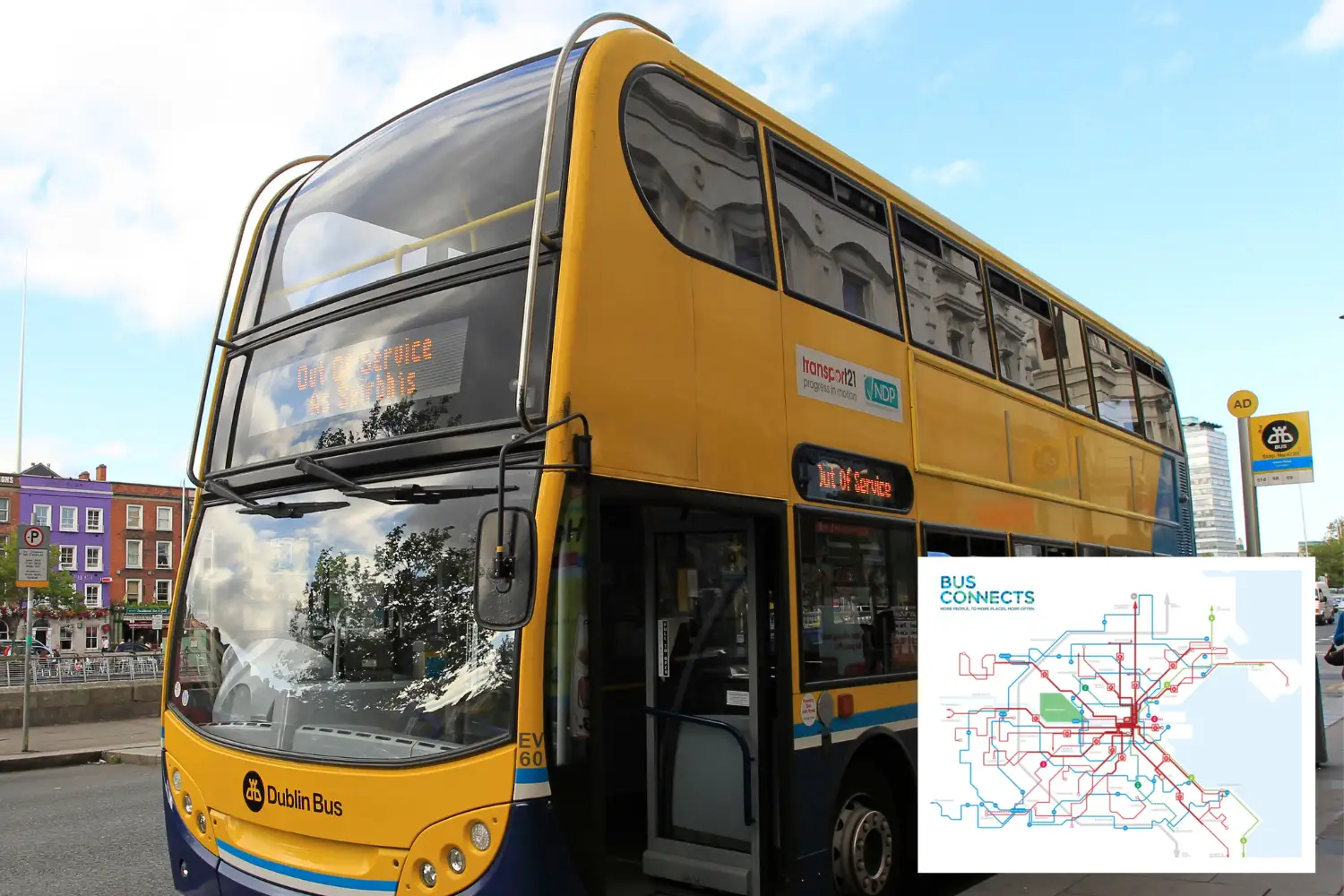
Translink has submitted a planning application to Antrim and Newtownabbey Borough Council for the installation of 37 electric vehicle charging points at its bus depot in Monkstown Industrial Estate, Newtownabbey.
The application details the erection of a transformer kiosk, switch room and transformer room buildings, along with site infrastructure such as parking bollards, barriers, CCTV cameras, and four 12-metre high lighting columns. It also includes alterations to the existing bus parking area, reduction and relocation of existing hydrogen bus heater battery plugs, removal of a storage building to modify a pedestrian walkway, and provision of a fenced service yard and bus turning area.
A Translink spokesperson said the work is part of the company's Net Zero fleet commitment, beginning the phased introduction of Battery Electric Vehicles at the depot to replace the existing diesel fleet. The planning application represents the first stage of this transition, covering the installation of charging infrastructure and associated support equipment, with BEV delivery to be phased over coming years.
A planning supporting statement indicates that EV charging units must be provided at the existing Monkstown depot to enable the shift to zero-emissions vehicles. It explains that battery charging requires adequate units and locations across depots where vehicles are parked overnight or between services.
The statement says there will be no change in traffic generation as a result of the works, with existing car and cycle parking retained and no alterations to site access. A total of 76 parking bollards are proposed, placed adjacent to charging units and used to delineate bus parking from pedestrian walkways.
The applicant has stated that the design will not significantly affect amenities, with no impact on adjacent land uses or nearby residents, and mitigation measures to prevent noise impacts.
Translink's broader Climate Positive Strategy, launched in 2021, targets net zero emissions across its buses, trains and buildings by 2040, and net zero by 2050. The company says it has already introduced 80 battery electric and 23 hydrogen zero-emissions vehicles into its fleet, which it describes as the fourth largest zero-emissions fleet in the UK and Ireland.