Irish Government Opposes Sinn Féin United Ireland Preparation Bill
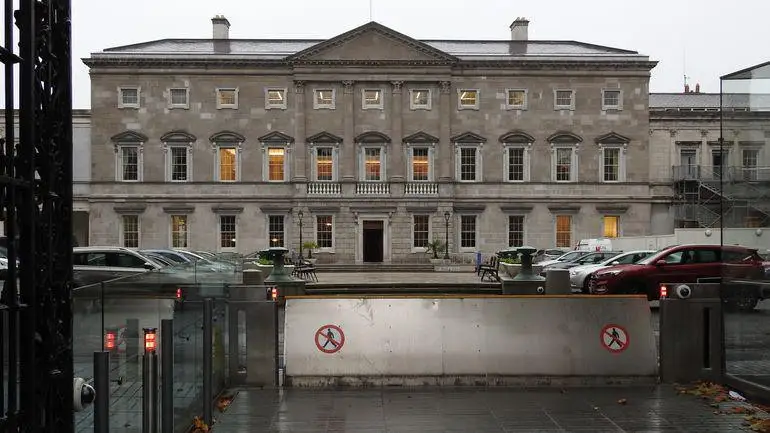
The Irish parliament is set to vote against a Sinn Féin bill aimed at advancing preparations for a united Ireland, with both main government parties, Fianna Fáil and Fine Gael, indicating they will oppose the legislation.
The bill, introduced on Tuesday, proposes the establishment of a citizens' assembly to debate the pros and cons of Irish reunification. It would involve 99 citizens and a moderator, and would be convened within 12 months of the publication of a green paper on unity preparations. The legislation also requires the taoiseach to produce that green paper within 18 months, addressing economic, health, and housing implications, and consulting unionist and Protestant representatives, civil society groups, and other political traditions.
During Tuesday's Dáil debate, Taoiseach Micheál Martin said the bill would do little to achieve its goal, arguing that the 18-month timeline for a rigorous green paper was unrealistic. He also questioned whether a citizens' assembly was the right forum, saying securing unity demands much broader public and political participation.
Tanaiste Simon Harris reiterated his personal desire for a united Ireland but said he did not believe constitutional change should be forced by arbitrary deadlines. He argued that a citizens' assembly was not the most effective approach and pledged continued cross-party engagement on preparation work. Other government TDs echoed concerns about strict timelines, with Fianna Fáil's Malcolm Byrne noting that different communities may move at different speeds and Fine Gael's Emer Currie warning that deadlines would not aid preparation.
The Social Democrats, Labour and the Green Party confirmed they would back the Sinn Féin measure. Sinn Féin leader Mary Lou McDonald said it was surprising Fianna Fáil was opposing a bill that sought to lay the groundwork for a peaceful and democratic transition.
In Northern Ireland, the Democratic Unionist Party dismissed the initiative as a political stunt. Deputy leader Michelle McIlveen said Sinn Féin was distracting from immediate pressures on working families, such as living costs, health waiting lists, and community safety. She noted the Irish government's own opposition to the bill and argued that nationalist vote shares in Northern Ireland have remained static since 1998, undermining claims of momentum toward unity.