Belfast conference warns Farage government could force hasty Irish unity vote
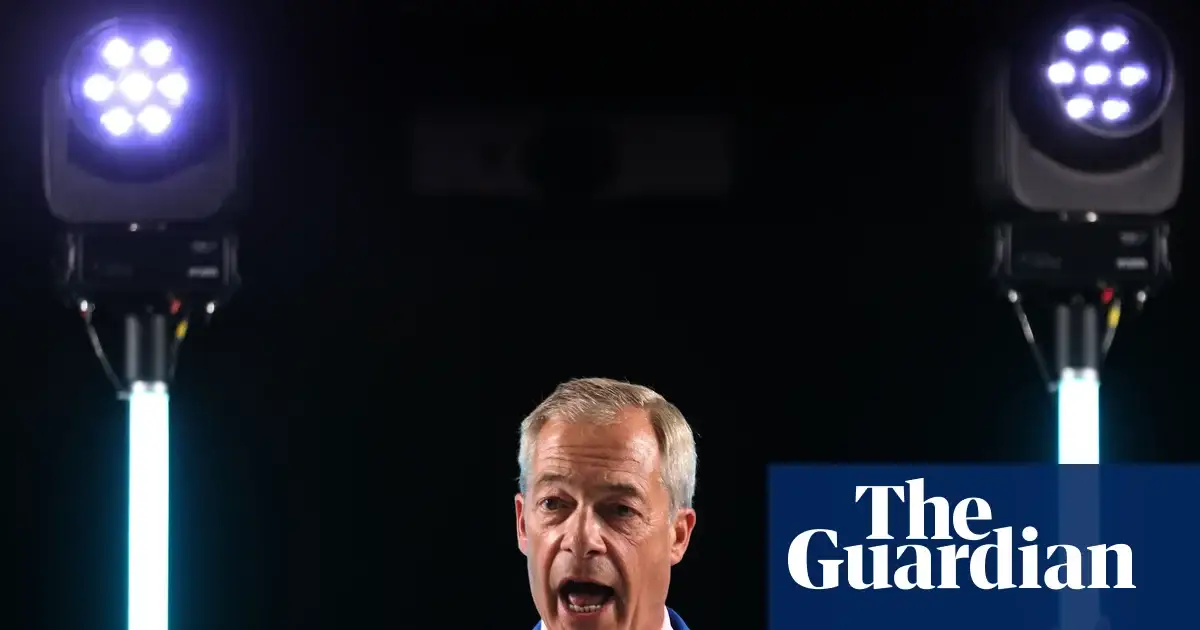
Political figures from across Ireland and the United Kingdom gathered in Belfast to assess the risk that a future UK government under Nigel Farage’s Reform UK could precipitate a hastily organized border poll on Irish unification.
The conference, hosted by the Social Democratic and Labour Party (SDLP), heard calls for Dublin to begin active preparations for potential unity, rather than wait for events in London to dictate the timeline. SDLP leader Claire Hanna warned that English nationalists might weaponize the annual UK subvention to Northern Ireland, estimated at between £6 billion and £20 billion, to justify a break.
Ireland’s Minister for Justice, Jim O’Callaghan, told the meeting that a predictable, harmonious path toward constitutional change could not be assumed. He said the Irish government had a responsibility to set out what it would recommend to citizens in a reunification referendum. Tánaiste Simon Harris has separately directed Fine Gael to produce a party blueprint for a unified Ireland, expected to be published in November. Taoiseach Micheál Martin stressed the need for relationship-building over rhetoric, saying the three strands of the Belfast Agreement, including East-West and North-South structures, would endure regardless of any future settlement.
From a unionist perspective, Ulster Unionist Party leader Jon Burrows expressed concern that Farage’s brand of English nationalism might galvanise nationalism in the devolved nations and create fertile ground for those seeking to break up the union. He argued that Northern Ireland’s contribution to UK food production and its role in securing sea lanes and underwater cables were strategic assets that should be highlighted in defence of the union.
Former Stormont finance minister Conor Murphy, now an Irish senator, said Sinn Féin was urging the Dublin government to engage with UK counterparts to clarify the rules for any future border poll, insulating the process from what he described as potential “chaos” under a Reform-led administration. He said Farage could portray the subvention as a cost to English voters and abruptly end the union.
Former taoiseach Leo Varadkar echoed the warning, saying a Reform government could “double down” on Brexit and reopen questions around the European Convention on Human Rights (ECHR), which underpins the Good Friday Agreement. He said that while such an outcome was not his base case, historical change often occurs suddenly.
The discussions highlight a shifting political dynamic, as the rise of Reform UK prompts all sides to reconsider long-held assumptions about the stability of the UK union and the gradual timeline for constitutional change on the island of Ireland.