South Eastern Trust Appeals for Blood Donors as Demand Remains Constant
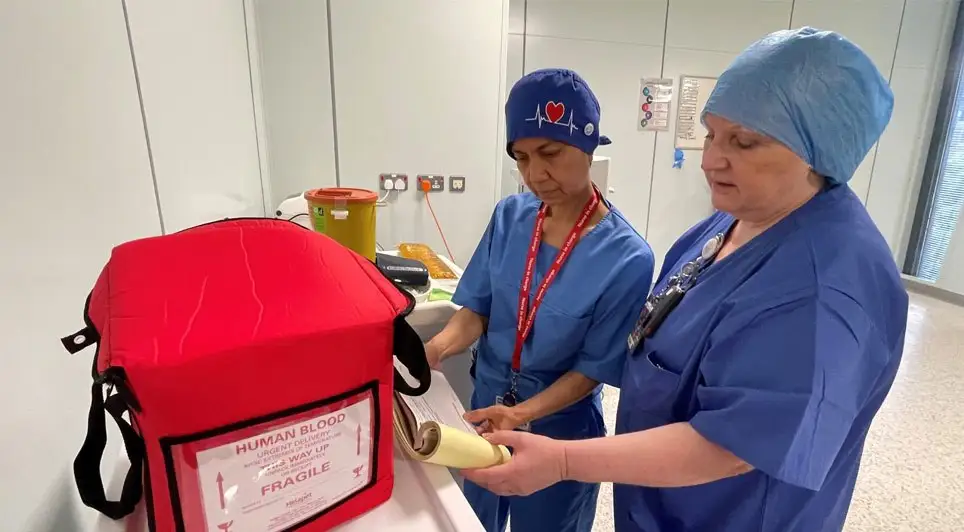
The South Eastern Health and Social Care Trust is appealing for eligible people to donate blood, stressing that transfusions are vital for both planned procedures and emergency situations.
Nikki Henning, Theatre Manager at the Trust, said blood products remain indispensable in theatre, noting that in some situations patients cannot be saved without donated blood regardless of surgical skill or technology. For planned surgery, teams assess risks in advance and ensure blood is available if needed. In emergencies following major trauma, severe bleeding, complex cancers, or heart and blood vessel conditions, the team works to control bleeding and maintain oxygen to vital organs, sometimes requiring transfusion. The decision to transfuse is made jointly by surgical, anaesthetic and theatre teams, and patients with major blood loss may need multiple units.
Biomedical scientist Gemma Magennis, from the Ulster Hospital's blood bank laboratory, outlined how the hospital's Massive Transfusion Protocol coordinates rapid support during life-threatening bleeding. When activated, biomedical scientists prepare and issue multiple units of blood and blood products, including plasma, platelets and cryoprecipitate, to replace clotting factors. Clear communication between the blood bank, portering teams and clinical teams is essential to deliver the right products safely and quickly.
The on-site blood bank at the Ulster Hospital allows immediate response in emergencies and also supplies blood daily for patients with anaemia, those preparing for surgery, and women with complications during pregnancy and childbirth. Stocks are replenished daily by the Northern Ireland Blood Transfusion Service, but supplies are continually used and blood has a limited shelf life, creating an ongoing need for regular donations.
The Trust encourages anyone eligible to consider becoming a donor. Information on how to donate and book an appointment is available at nibts.hscni.net/donating-blood/where-to-donate/.