Fine Gael unity blueprint draws unionist criticism
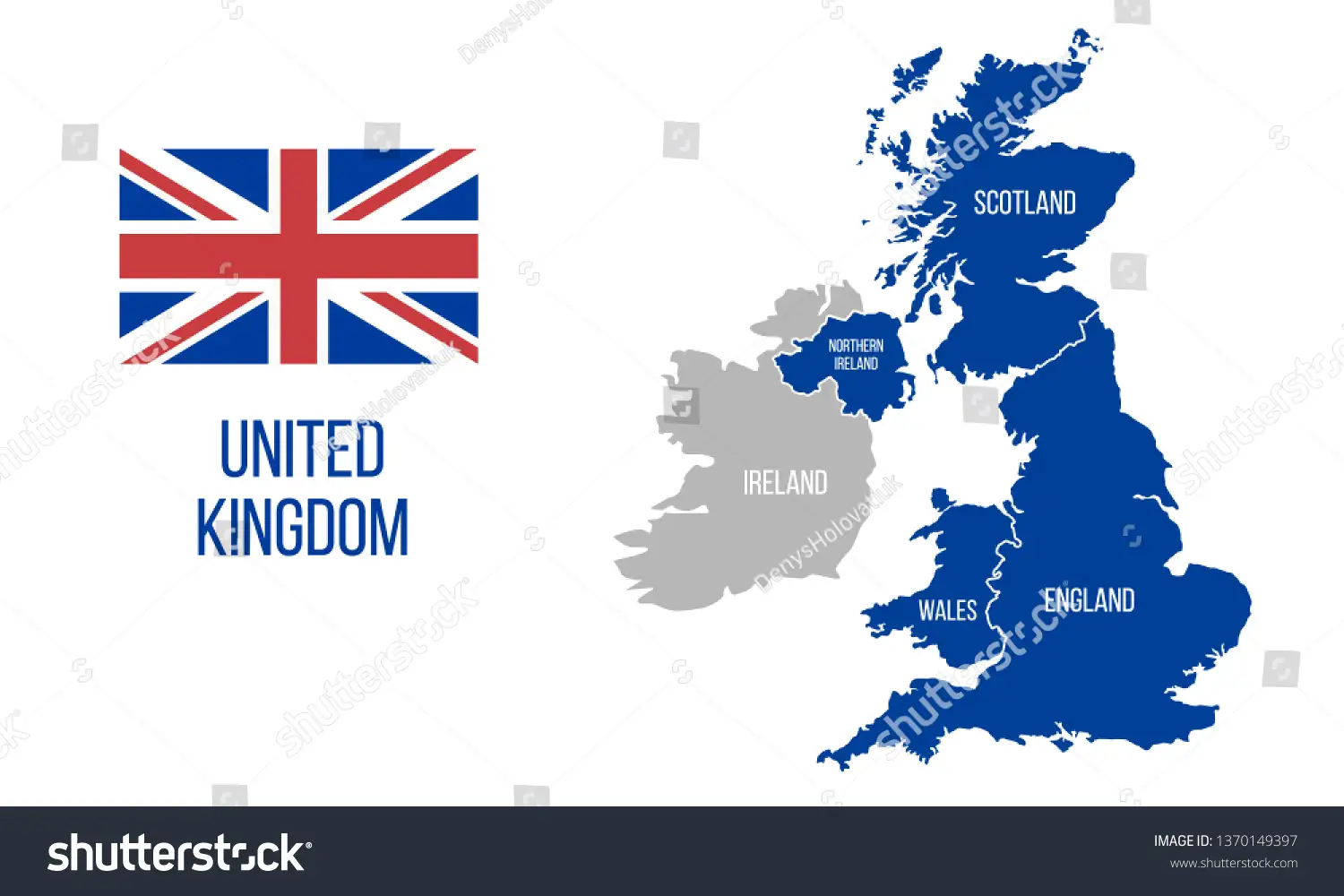
Fine Gael leader Simon Harris has confirmed his party will publish a blueprint for a unified island at its November party conference, setting out practical steps for constitutional change. Speaking in Dublin, Harris said the document would move beyond slogans and false deadlines and would address the political, economic and societal implications of unification. He stressed that the plan is a party initiative, not a government one, though Fine Gael is the Republic's senior coalition partner.
Ulster Unionist Party leader Jon Burrows dismissed the proposal as a constitutional sideshow that does not reflect public priorities. He said Northern Ireland's constitutional future rests entirely with its people and that support for unification has not advanced since the 1998 Belfast Agreement. Burrows argued that most citizens are more concerned with improving public services than with constitutional upheaval.
Traditional Unionist Voice leader and North Antrim MP Jim Allister accused Fine Gael of following Sinn Féin's agenda, adding that unionist resolve to remain in the United Kingdom would only harden. Democratic Unionist Party representative Gareth Wilson said Harris and Sinn Féin appear to be competing on nationalist messages but stressed there is no majority for a united Ireland. He noted the nationalist vote share has remained at about 40 percent since 1998.
Polling from the Northern Ireland Life and Times survey found 36 percent in favour of unification in 2025 against 45 percent opposed, figures broadly unchanged from the previous year.
Harris rejected the notion that Sinn Féin holds ownership of the unity debate, saying every Dáil party aspires to a united Ireland. He emphasised that the process must be respectful and inclusive, pointing to the orange stripe on the Irish flag as a symbol of the unionist tradition. The Belfast Agreement's consent mechanism, he said, requires not just a simple majority but durable consent. Fine Gael traces its roots to the pro-Treaty side of the 1921 Anglo-Irish Treaty split and has historically adopted a more gradual nationalist stance than its main rival Fianna Fáil.