Northern Ireland's Children's Literature Scene Marks Milestone with Conference and Guide
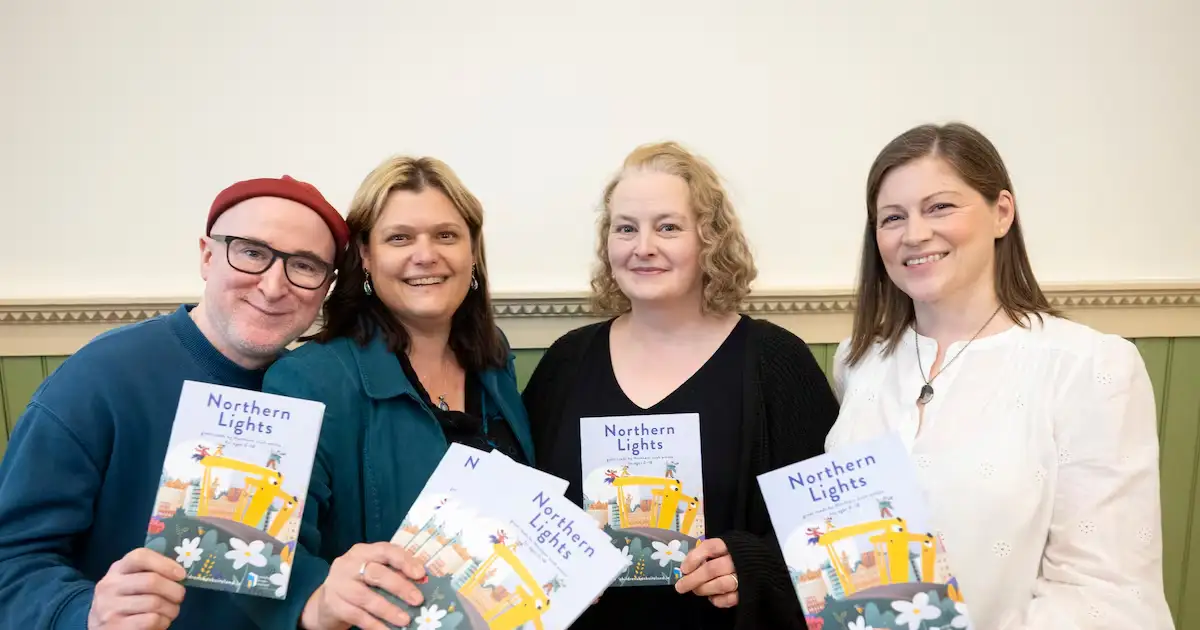
The first Northern Irish Conference on Children's Literature took place at Queen's University Belfast in 2026, marking a significant milestone for the region's literary community.
Children's literature from Northern Ireland has historically been underrecognised, with authors often overlooked and underfunded. Arts funding in the region is the lowest per capita in the UK, and children's writers typically receive smaller advances than their adult counterparts. Many authors hold day jobs, limiting their ability to promote their work.
Despite these challenges, the sector has expanded rapidly. A new reading guide titled Northern Lights, produced by Children's Books Ireland and introduced by Laureate na nÓg Patricia Forde at Elmwood Hall in Belfast, profiles 44 books from Northern Ireland across all age groups and genres.
Recent years have seen local authors and illustrators gain national attention. Ellan Rankin and Barry Falls were shortlisted for the Waterstones Children's Book Prize, which Ciara Smyth won in 2022. Jenny Ireland received the YA Diversity Book Award, and Sue Divin and Susannah Dickey were shortlisted for the Carnegie Medal. New publishing ventures like Bad Books Press, founded by illustrators Clive McFarland and Ashwin Chacko, have emerged, while authors such as Máire Zepf continue to produce Irish-language works.
The conference was inspired by a lecture from the current Children's Writing Fellow, Shirley-Anne McMillan. The fellowship position, established in 2017, has helped raise the profile of writing for young people in Northern Ireland.
Academics at the event highlighted overlooked literary heritage. Trinity College Dublin researcher Amanda Dunne presented on the work of Co Down author Martin Waddell, who wrote over 200 books. She noted that his teen novels, including a 1995 title dealing with teenage pregnancy, may have been ignored by schools in the region due to their content. Author Máire Zepf observed that her own Catholic school library would not have stocked his books either.
Writers continue to explore social and political issues relevant to Northern Ireland. Sue Divin depicts post-conflict generations in her fiction. Shirley Anne McMillan addresses queer identities, while Sophie Kirtley's picturebook Our Wee Place was commissioned for the centenary of Partition. The scene has also seen historical fiction, such as Sheena Wilkinson's Fernside series set in 1920s Belfast, and works rooted in local landscapes like Sophie Kirtley's The Haunting of Fortune Farm in the Mourne Mountains.
Institutional challenges persist. Northern Ireland has no dedicated research centres, North-specific book awards, or creative writing MA programmes in children's literature. The Stormont Executive recently supported a ban on puberty blockers, and marriage equality is only six years old, factors that inform the context in which these authors work.
Organisers and participants at the conference expressed optimism that the growing body of work and community spirit can shift the narrative, ensuring that future generations see themselves represented in stories from Northern Ireland.