Ulster Hospital Hosts Exhibition Highlighting Genetic Iron Disorder Risks
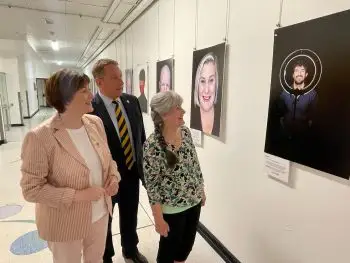
A photographic exhibition at the Ulster Hospital is aiming to raise awareness of haemochromatosis, an inherited condition that causes the body to absorb too much iron.
The exhibition, located outside the MRI corridor in the main hospital building, was launched during International Haemochromatosis Awareness Week. It features portraits of people living with the condition and will remain on display until the end of July before moving to Belfast City Hospital.
Haemochromatosis can lead to iron build-up in organs such as the liver, heart and pancreas, potentially causing serious damage. Common symptoms include fatigue, joint pain and abdominal pain, but many people remain undiagnosed because the signs can be vague.
Neil Irwin of the charity Haemochromatosis UK described how common the relevant genetics are in this region. Research by the University of Edinburgh has identified Northern Ireland and North West Ireland as among the areas most at risk.
South Eastern Trust Chairman Jonathan Patton said the hospital was privileged to host the exhibition, which uses striking artwork to bring patient stories to life. He added that seeing the faces and reading the individual journeys behind the statistics is both moving and educational.
The portraits were created by photographer Cathal McNaughton. Among those featured is Leah Grant, who said she does not usually like standing in front of a camera but took part to show the real people affected by the condition. She said if the exhibition encourages even one person to consider getting checked, it will have been worthwhile.
Journalist Donna Traynor, who has haemochromatosis herself, lent her support to the campaign. She explained that she discovered her own diagnosis by accident and that the symptoms are often mistaken for other conditions. She said the exhibition could help people recognise potential signs in themselves or family members.
Barry Macaulay, Chief Executive of Arts Care NI, also lives with the condition. He was diagnosed after his brother was tested. Arts Care NI operates gallery spaces in several hospitals and helped bring the exhibition to the Ulster Hospital. He said he hopes the display prompts more people to seek testing, noting many are unaware they have the condition.