Queen’s researchers identify biting mosquitoes moving from Lough Foyle marshes into Ballykelly
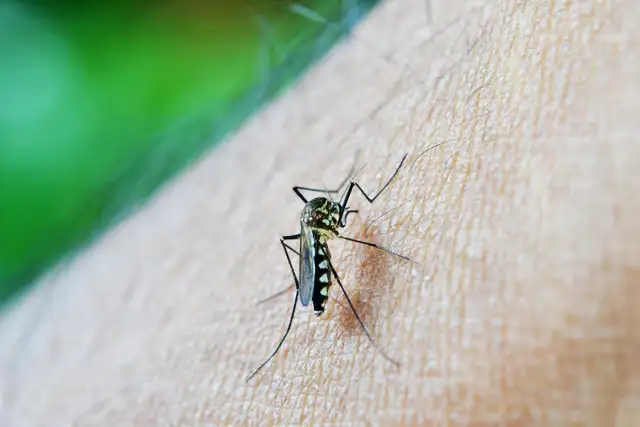
Queen’s University Belfast researchers have recorded a record number of mosquitoes and several nuisance biting species in Northern Ireland this summer, with a particular focus on Ballykelly in County Londonderry.
Two years ago, investigations linked unexplained bites in the area to mosquitoes. Since then, the School of Biological Sciences has systematically surveyed urban and rural habitats across the region. In Ballykelly, the team identified wetlands, including the shore salt marsh at Lough Foyle, as breeding habitats for biting species.
Short surveys have now found that these mosquitoes are moving from the marsh into other parts of the village, including nearby woodlands, to bite.
Earlier this year, Queen’s launched MosquitoNI, the first public mosquito reporting system in Northern Ireland. The website has received consistent engagement, with reports allowing researchers to identify nuisance biting locations and species.
Dr Ross Cuthbert of the School of Biological Sciences said it is physically impossible to monitor everywhere in Northern Ireland for potential nuisance species. Information gathered through MosquitoNI is extremely valuable for informing sampling and understanding. The team has reactively sampled apparent hotspot sites such as Ballykelly and is urging the public to continue using the system to identify additional areas of activity.
No mosquito-borne diseases have been detected on the island of Ireland. However, the collections include species known to vector diseases of concern elsewhere in the world, pointing to overlooked risks in the region.
Previous research at Queen’s found surprisingly high numbers of mosquitoes across Northern Ireland. Last year, thousands were collected in traps set around wetlands and urban breeding sites. Around 20 different species have been found across the island of Ireland.
In 2026, the team is again conducting sampling across urban and rural sites and has already collected thousands of adult and larval mosquitoes, while uncovering potential new species for the region. The researchers say public support is needed to increase geographic coverage and fill blind spots.
People can report sightings and upload photographs via the MosquitoNI website to help identify hotspot areas, understand species distribution, and improve local public involvement.