Stormont ringfences £80m for longest NHS waits after year of progress
Northern Ireland’s health service will receive £80 million in ringfenced funding over the next 12 months to target the longest hospital waiting times, the Department of Health has announced. The allocation follows a year in which more than 385,000 additional assessments, diagnostics and treatments were delivered across the region.
Between April 2025 and March 2026, the Elective Care Framework oversaw the delivery of 385,182 extra patient episodes, excluding validation activity. The number of people waiting for a first consultant-led outpatient appointment fell by over 16,000 in the quarter to 31 March 2026, reaching 510,680, and was almost 32,000 lower than in September 2025. Inpatient and day case waiting lists also declined.
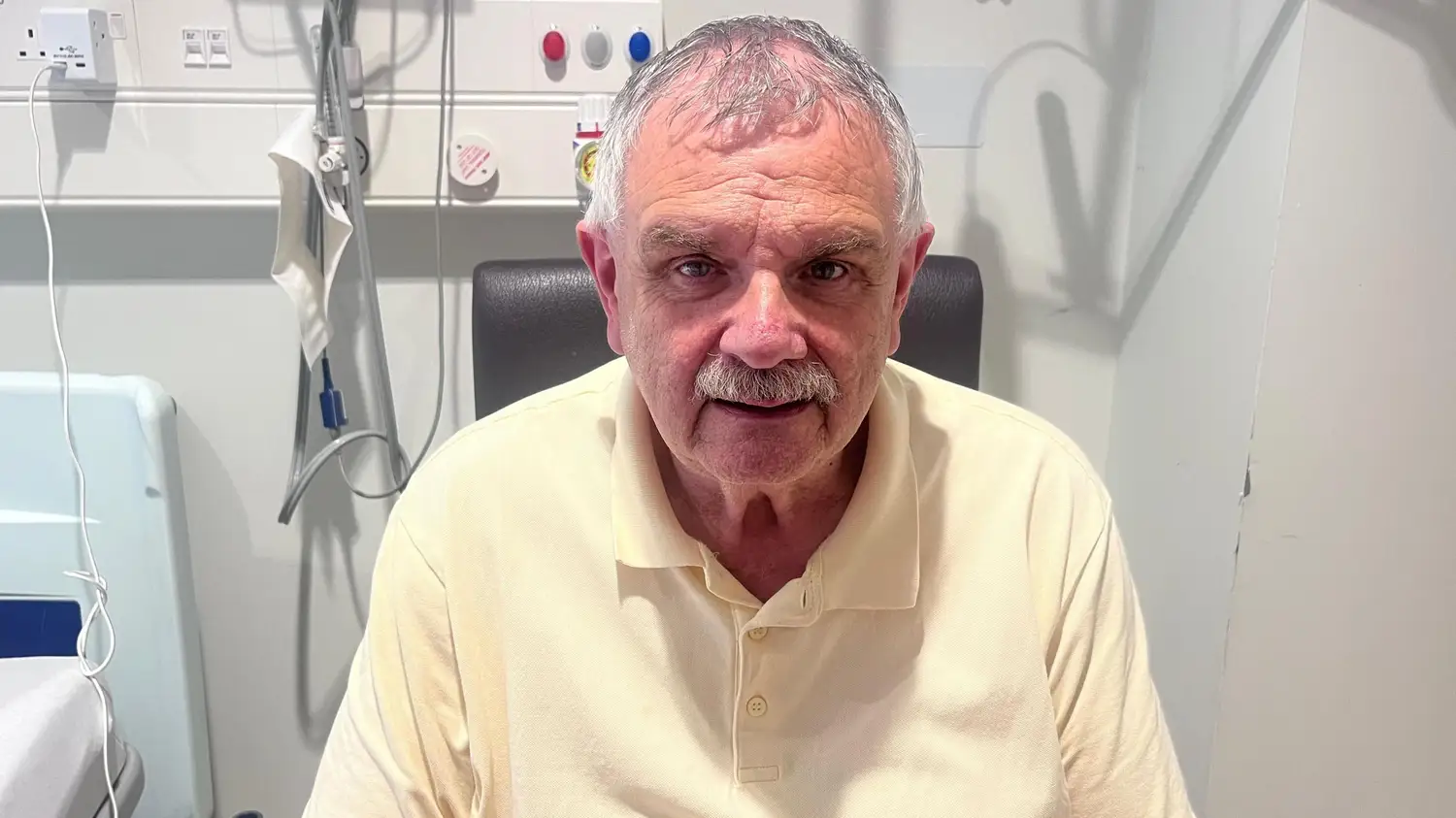
Patrick McGonagle, 71, from Strabane, County Tyrone, received a right knee replacement at Altnagelvin Hospital last Friday after six years on the waiting list. He had initially been told the wait would be two years. McGonagle said constant pain from bone-on-bone arthritis affected his mobility and required him to plan every walk and trip. He was prescribed Tramadol for five years but said it eventually stopped masking the pain. His operation was cancelled twice before the third attempt succeeded.
Consultant orthopaedic surgeon Ashok Ramasamy, who performed the procedure, said many patients currently undergoing surgery had waited four or five years. He added that theatre capacity and staffing levels determine the speed at which waiting lists can be reduced.
The Department reported that targeted funding of £50 million helped achieve a 99% reduction in waiting lists for a set of named procedures, covering more than 5,300 patients. Lists for colonoscopy, paediatric squint procedures, PEG tube insertions, laparoscopic gallbladder surgery and tonsillectomies were all reduced by 100%, though one laparoscopic patient remains awaiting surgery after final validation. Primary hip and knee replacements both saw 99% reductions, affecting 428 and 971 patients respectively. Patients waiting more than four years for outpatient appointments fell by 54% (54,631 patients), while those waiting over four years for inpatient or day case treatment dropped by 67% (13,435 patients).
Diagnostic waiting times also improved. Endoscopy waits fell by 68% from their June 2022 peak, with 26,986 fewer patients, and by a further 38% during the 2025/26 year. MRI waiting lists reduced by 18.5% overall. CT scanning saw a 23% drop in red flag waits over two weeks and routine waits over nine weeks, though unscheduled CT activity increased by 15% compared with 2023/24, affecting planned care.
Regional theatre utilisation reached 86% during the year. Day Procedure Centres in Omagh and Lagan Valley delivered 97% and 88% of commissioned theatre sessions respectively. Primary care elective services provided 12,181 interventions, including dermatology, gynaecology and minor surgery.
Health Minister Mike Nesbitt said the results demonstrated what could be achieved through determined leadership, sustained investment and collective effort. He added that further focused activity would be announced once priorities were finalised. Philip McGuigan, chair of the Assembly health committee, welcomed the progress but stressed the need for long-term planning, capacity building and faster action on red-flag cancer and time-critical lists. Professor Mark Taylor, Regional Clinical Director for Elective Care, said sustained regional collaboration and focused investment were helping patients access assessment and treatment sooner.