National Museums NI Opens Harland and Wolff Ship Plans Archive to Public
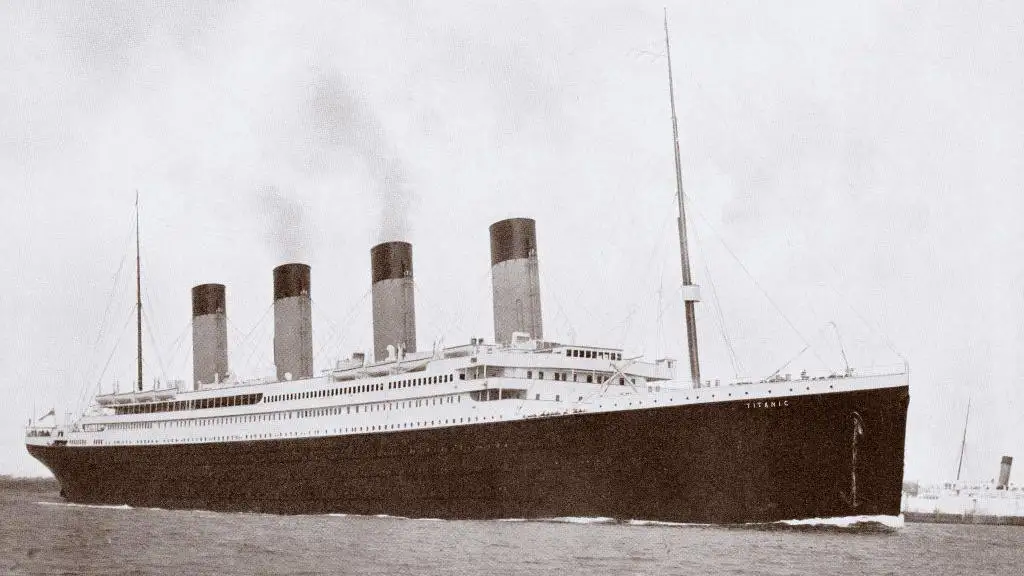
National Museums Northern Ireland has released technical plans and drawings from the Harland and Wolff ship plans archive to the public. The archive is stored at the Ulster Folk Museum. Titanic, Olympic, and Britannic were designed at the Harland and Wolff drawing office in Belfast.
Titanic launched in 1912 as the largest ship built at that time. It sank in April 1912 after striking an iceberg on its maiden voyage from Southampton to New York. More than 1,500 people died. The ship had watertight compartments that permitted it to float with up to four breached. Five compartments flooded after the collision. Lifeboats met regulations of the time but accommodated only half the passengers aboard.
Olympic served as a transatlantic liner for 24 years. Britannic sank in 1916 after hitting a German mine while operating as a hospital ship.
Harland and Wolff started operations in 1861. The archive contains hundreds of thousands of plans and documents. A cataloguing project named From Drawing Board to Slipway receives funding from the Archives Revealed grant programme.
Project archivist Siobhan McLaughlin said the release provides access to histories of Belfast shipbuilding. National Museums NI collections director William Blair said access was previously limited to academics and researchers. Navantia UK Harland and Wolff operations director Alex Haley welcomed the project.
Public access occurs online and by appointment at the Cultra Collections Store.