Department Official Testifies on Tunnel Conditions at Noah Donohoe Inquest
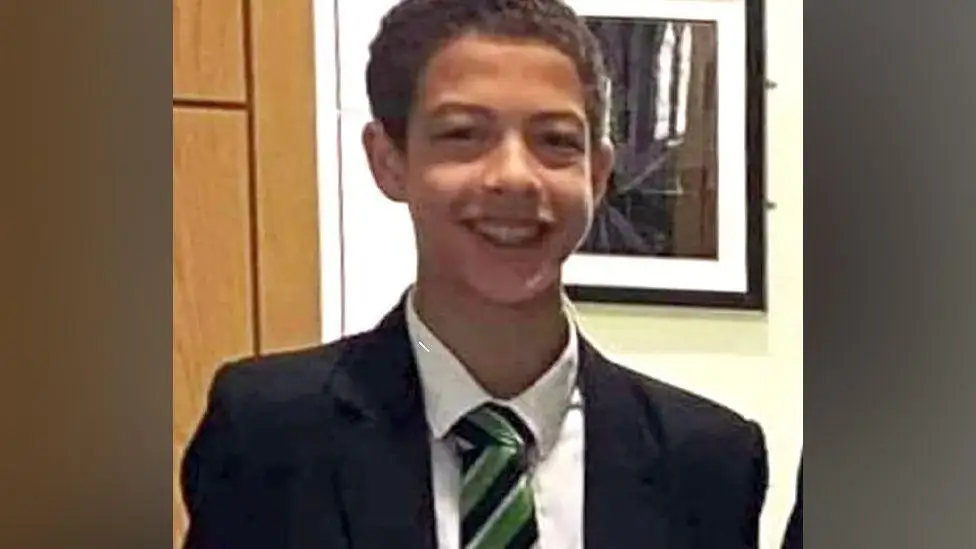
Owen McGivern from the Department for Infrastructure Rivers gave evidence at the Noah Donohoe inquest in Belfast Coroner's Court. The hearing, which includes an 11-member jury led by coroner Mr Justice Rooney, entered its sixth week.
Noah Donohoe, aged 14, left his home in Fitzroy Avenue, south Belfast, by bicycle on 21 June 2020 to meet friends near Cavehill. His naked body appeared six days later in a north Belfast storm drain tunnel. A post-mortem determined drowning as the cause.
McGivern described conditions inside the culvert. Beyond the first 10 to 20 metres, visibility drops to zero with no light at all. He noted gas buildup occurs only under agitation. During multiple personal entries, gas detection alarms stayed silent.
The witness covered desilting operations in the tunnel system started prior to the disappearance. Work halted after discovering contaminated silt, followed by a Covid-related pause.
Barrister Malachy McGowan, acting for Noah's mother Fiona Donohoe, referenced the jury's Monday site inspection. The culvert inlet featured a grill in June 2020 designed to block large debris yet allow human passage. Department records confirm some north Belfast residents reached the site via rear gardens after discussions with locals.
McGivern stated uncertainty over prior knowledge of children entering the area. Donal Lunny KC, representing the PSNI, questioned the official on these points.
Earlier Monday, the jury toured Linear Park off the Shore Road, site of Noah's last sighting. A steel fence separates the park from the nearby culvert near Northwood Road houses. Noah left his bike on a Northwood Road path before heading to waste ground at the culvert. The group also checked a Seaview stadium manhole in the tunnel network and Translink depot grounds by the M2, recovery location over 600 metres downstream.