Bangor tennis club floodlight plan approved despite 181-signature petition
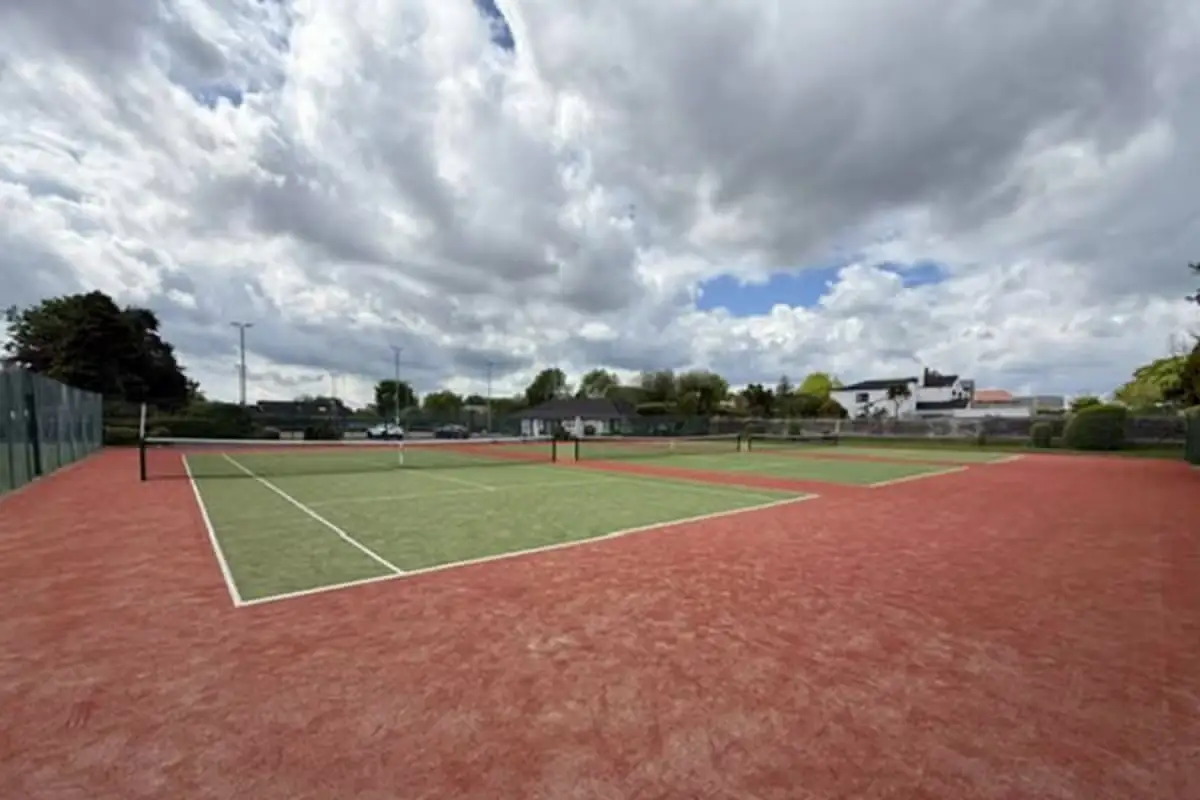
Councillors in Ards and North Down have approved a planning application to install new floodlights on three courts at Bangor Lawn Tennis Club.
The decision was taken at a meeting of the council’s planning committee on 7 July. Seven members voted in favour, none against, and two abstained. Officers had recommended approval and no statutory consultee raised an objection.
The proposals attracted 76 letters of objection and a petition signed by 181 addresses, while six letters of support were received.
The club, which opened in 1899, already operates six courts, three of which have floodlighting. The approved scheme involves six columns, each 12 metres high, serving the three unlit courts at the northern boundary of the site, beside Farnham Park in a residential area of detached homes.
Opponents argued that existing floodlights already cause unacceptable light spill, glare and disturbance to neighbouring properties, and that the new lights would worsen the situation because of their proximity to boundaries. They also raised concerns about extended evening play until 10pm, increased noise from tennis and coaching, traffic disruption, and harm to bats.
Speaking on behalf of local residents, Nader Haghighi said neighbours are not opposed to the club or sport, but they believe the lighting assessment was flawed and the conditions attached do not give enough certainty to protect homes or local wildlife.
Susan Whitla, representing the club, said the lack of floodlighting on half the courts creates a serious capacity shortfall during winter evenings, the only time many working adults can play. She said the club turns people away for almost half the year, while other regional tennis clubs already have fully lit facilities. She stated that the club had commissioned expert reports and is investing in directional LED technology designed to have no upward light pollution and to keep illumination tightly on the court surface.
The council’s planning report concluded that while the floodlights would introduce additional evening illumination, this represented an intensification of an existing use rather than a new development. It found that site containment, limited public views, existing floodlighting and boundary screening meant there would be no adverse impact on the character of the residential area.