Northern Ireland Population Grows 51% in Century, NISRA Census Analysis Shows
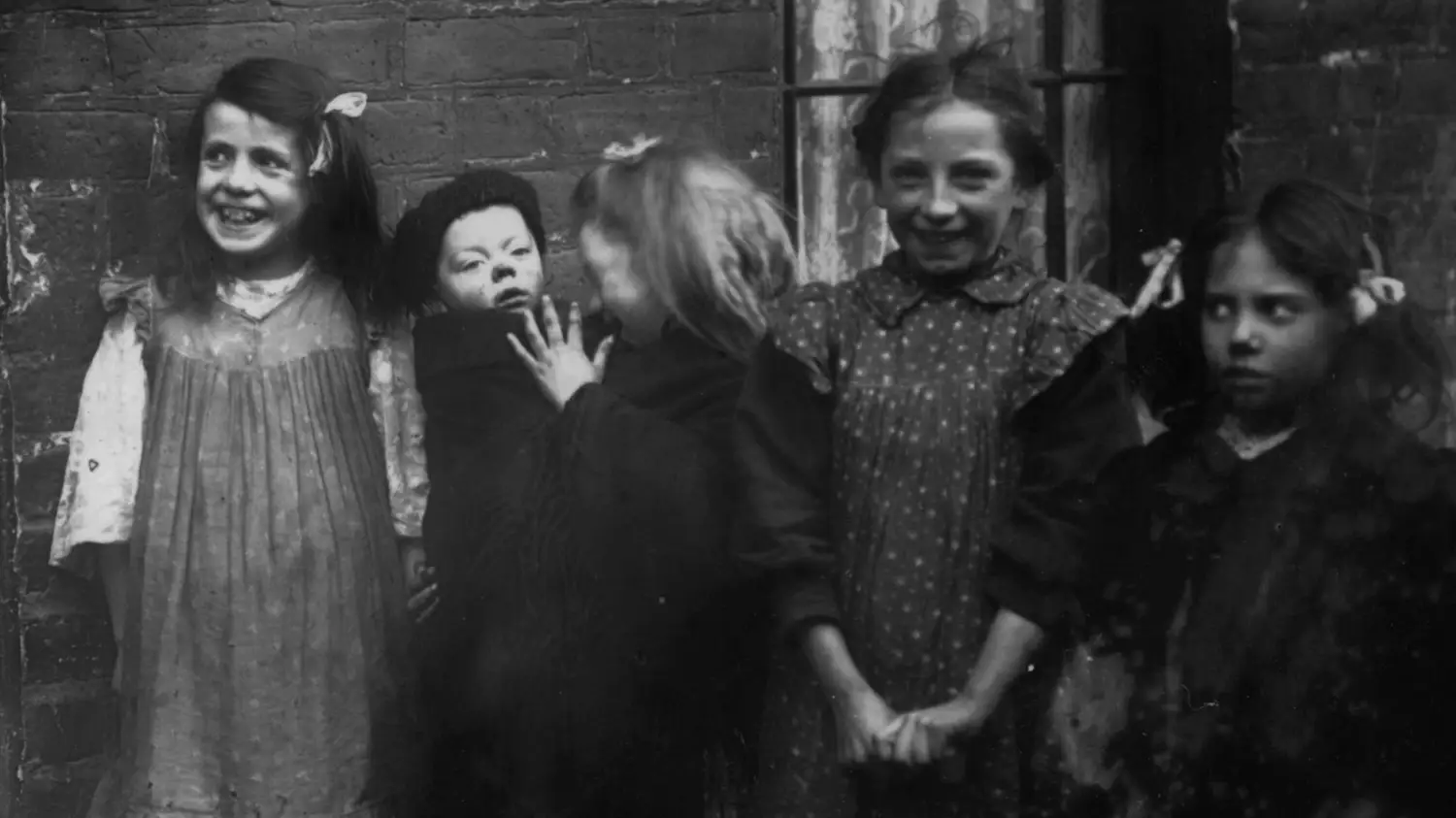
Northern Ireland's population increased by 51% from 1.26 million in 1926 to 1.9 million in 2021, according to a Northern Ireland Statistics and Research Agency analysis comparing census data.
The 1926 census took place on 18 April, the first after partition of Ireland. Individual household records from Northern Ireland were lost, possibly destroyed during the Second World War. Aggregate results remain available for comparison with the 2021 census.
Counties Armagh and Londonderry recorded the largest growth rates. Armagh's population rose 77%, and Londonderry's by 81%. Neighbouring Antrim grew by 32%.
Average household size fell from 4.54 to 2.44 people. In 1926, 18% of residents lived in homes with more than two persons per room. That figure dropped to 0.2% in 2021.
The population age profile shifted to older and more even distribution across groups. Those under 20 fell from 39% to 25%. People aged 65 and over rose from 8% to 17%.
Education participation among 17- to 19-year-olds climbed from 7% to 76%. Professional occupations expanded from 3% to 31% of employment.
Religious affiliation changed notably. In 1926, 66% identified as Protestant or other Christian and 33% as Catholic. By 2021, Catholics reached 42% and Protestants or other Christians 37%. No religion rose from 0.02% to 17%. Other religions increased from 1,500 to over 25,000 people.
Residents born outside the UK and Ireland grew from 0.6% to 6.5% of the population.
Prof Marie Coleman of Queen's University Belfast noted urbanisation trends, particularly in Derry-Londonderry, alongside higher educational attainment in cities.