Draft UK-EU Agri-Food Deal Could Remove Many Irish Sea Border Checks
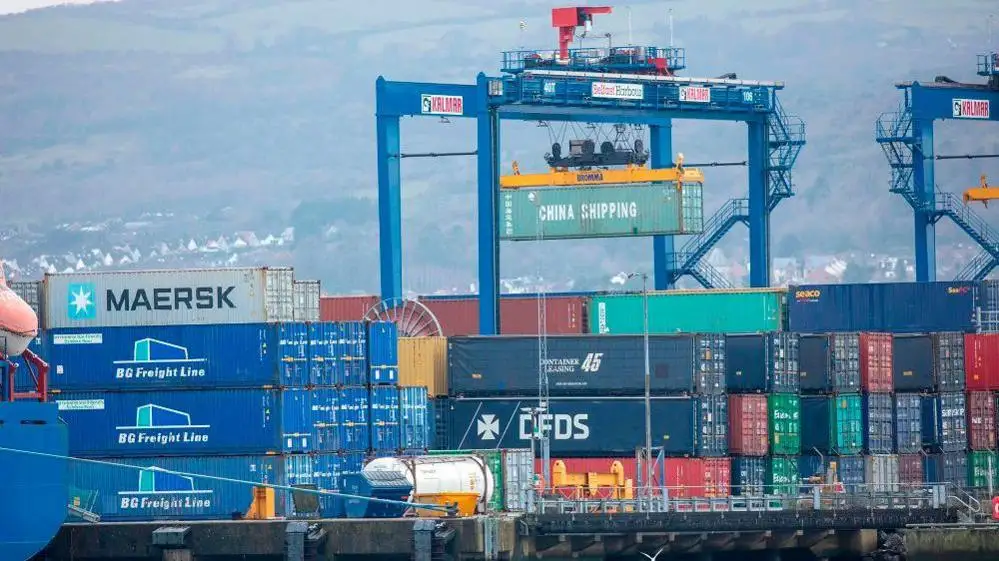
A draft agreement between the UK and the EU on sanitary and phytosanitary (SPS) measures for food and plant products could significantly reduce checks on goods moving from Great Britain to Northern Ireland. The proposed deal would align Great Britain with EU rules on these products, bringing it closer to the regime already in place in Northern Ireland under the Windsor Framework.
Under the current arrangement, Northern Ireland remains in the EU single market for goods while the rest of the UK does not, leading to checks on goods entering Northern Ireland from Great Britain to protect the EU market. This has created a border in the Irish Sea. The draft deal would reduce these checks but would not remove all customs formalities, as Northern Ireland would still follow EU customs rules.
Ulster Farmers' Union President John McClenaghan gave a cautious welcome to the draft. He said the union had long called for reduced bureaucracy and red tape that added cost to east-west trade. Garden centre owner Robin Mercer, who runs Hillmount stores, described the proposal as fantastic news that would allow more plant varieties to be imported without red tape.
Unionist politicians have criticised the draft. DUP leader Gavin Robinson said the deal would ignore the Brexit referendum by pursuing alignment with the EU in many areas, yet keep Northern Ireland separate from the rest of the UK. He called it a constitutional affront. TUV leader Jim Allister said the deal would not take Northern Ireland out of the EU customs union, meaning customs declarations and paperwork would remain. UUP MLA Steve Aiken said checks on agricultural goods would be significantly reduced but not eliminated, and expressed concern about divergence under the new EU Union Customs Code.
The proposed deal is often compared to the Swiss model, where Switzerland follows EU rules almost exactly without participating in setting them. Under such an arrangement, border control posts at Northern Ireland ports would become largely redundant, and the 'Not for EU' labels on GB food products sold in Northern Ireland would no longer be required. However, pre-Brexit checks on livestock would continue.
While the draft deal addresses standards, it does not address customs. Businesses in Great Britain would still need to make customs declarations for goods sent to Northern Ireland, with delays possible if paperwork is incorrect. The DUP prevented power-sharing from operating between 2022 and 2024 in protest at the Irish Sea border.