Brexit’s Legacy: An Invisible Border but New Trade Frictions
Ten years after the United Kingdom voted to leave the European Union, the physical border infrastructure many living along the Irish frontier feared has not appeared. Instead, new trade checks were introduced between Great Britain and Northern Ireland under the Northern Ireland Protocol and the Windsor Framework, leaving cross-border roads between the Republic and Northern Ireland free of customs posts and checkpoints.
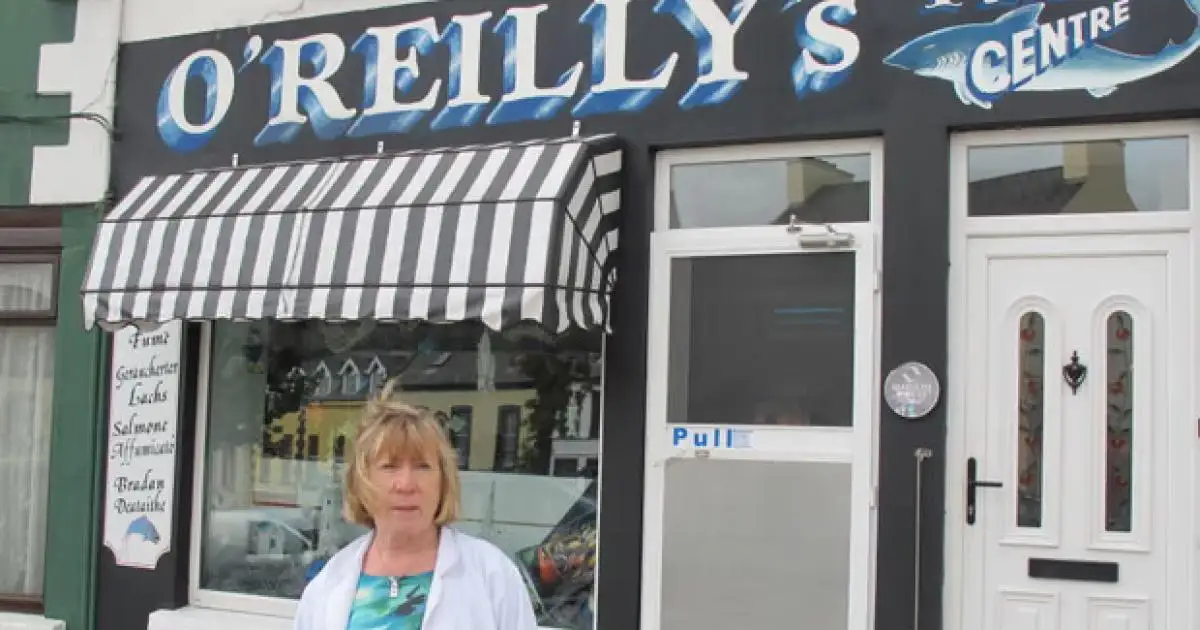
In 2016, as Brexit negotiations loomed, residents and business owners in border communities expressed deep anxiety about a return to the hard border of the past, recalling military checkpoints and tension from the Troubles. Claire O’Reilly, who runs a fish shop in Ballyshannon, County Donegal, noted at the time that her customer base spanned both sides of the divide, with patrons coming from Belfast, Derry, and Enniskillen. She doubted a border would be reimposed but feared the economic fallout.
Celebrity chef Neven Maguire, whose MacNean House restaurant in Blacklion, County Cavan, draws diners from across the island, told of his reliance on cross-border trade and his worry that Brexit would create long-term damage. He observed that uncertainty prevailed and that no clear winner had emerged from the process.
Others highlighted the deep interdependence of border regions. Retired bank official Shane Toolan described the link between counties Donegal and Fermanagh as strong in areas from tourism to holidays, and he suggested that aligning tax rates could turn challenges into opportunities. He said the notion of a physical barrier between neighbours was universally unwanted.
For some, Brexit revived traumatic memories. Museum curator Proinsias Mag Fhionnghaile called the border an artificial division and predicted mass demonstrations if any attempt were made to reinstate physical controls. Retired businessman Michael McLoughlin recalled a bomb exploding in Blacklion during the Troubles and said the referendum result left him feeling isolated, fearing it would deter investment.
Ten years on, the border remains invisible to motorists. Tourism has continued to flow north and south, but businesses have had to navigate new bureaucracy, customs paperwork, and regulatory complexity. Some have adapted, while others face persistent administrative burdens and labour shortages.
The political landscape has also shifted. Conversations about Irish unity, once largely theoretical, have gained traction since Brexit. Yet everyday life along the frontier proceeds with a practical outlook, as communities long accustomed to division continue to focus on making daily cross-border connections work.