Seamus Deane: The critic who reshaped Northern Ireland's intellectual discourse
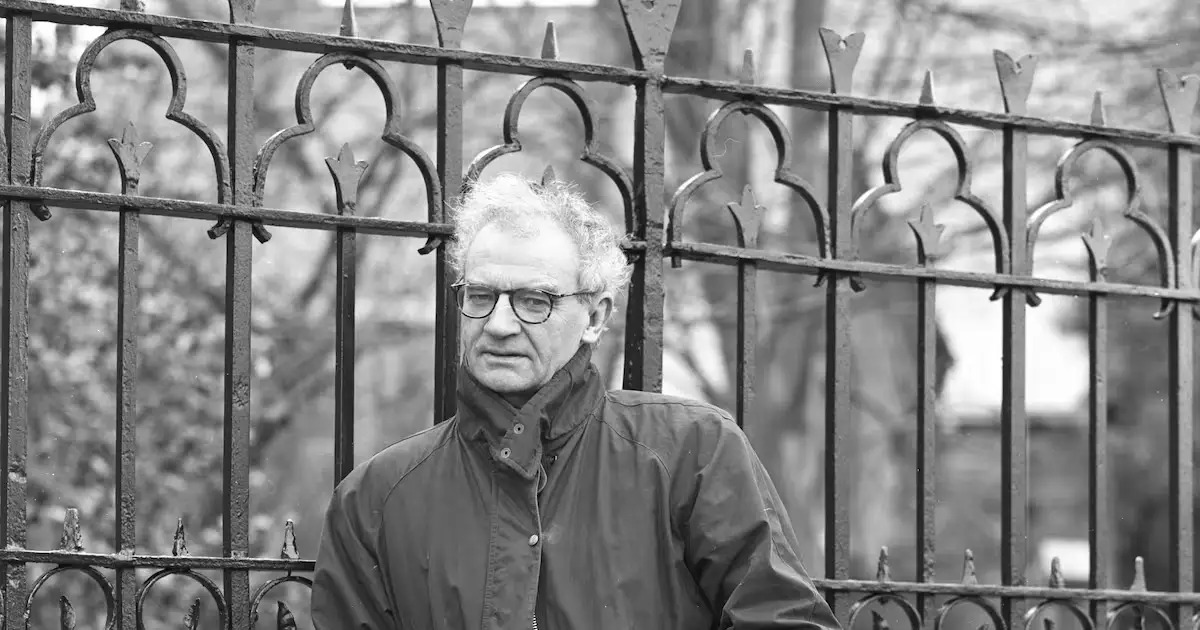
Seamus Deane, the prominent literary critic, was instrumental in redefining the role of the public intellectual in Ireland, particularly in the context of the Northern Ireland conflict.
Born in Derry, Deane emerged as a writer in the late 1960s, a period marked by the formation of the Northern Ireland civil rights movement and the outbreak of the Troubles. He was among the first to argue that these events demanded a fundamental reconsideration of how literature, history, and politics intersect.
In his essays, Deane challenged what he saw as the intellectual distance of many Southern commentators. For him, the conflict was not an abstract political problem but a lived reality rooted in long-standing inequalities. He wrote that the outbreak of violence, while expected by those who knew the area, was nonetheless shocking.
Deane belonged to the first generation in Northern Ireland to benefit from expanded educational opportunities after the Second World War. He described the responsibility placed on that generation as modifying what he called the brutalities of unionism.
As a founding member of Field Day, a theatre company and publishing venture established by playwright Brian Friel and actor Stephen Rea, Deane helped articulate the group's mission. Poet Seamus Heaney credited Deane with providing intellectual vigour and writing the organisation's mission statement.
Deane was critical of what he saw as propaganda during the Troubles, particularly in the reception of works by writers like Brian Friel. He noted that some critics in London and New York reacted with ferocity to Friel's plays during the mid-1970s, accusing the playwright of defending republican violence. Deane argued that examining the conditions that produced conflict was not an endorsement of violence.
Deane's work extended beyond contemporary politics to include rereadings of major Irish literary figures such as Edmund Burke, James Joyce, and W.B. Yeats. He maintained a commitment to justice and the rights of the Catholic minority in Northern Ireland, rejecting revisionist interpretations that he felt diverted attention from ongoing injustice.
More than fifty years after his early writings, the questions that animated Deane's career remain unresolved. What responsibilities do writers bear during political upheaval? How should literature engage with violence and memory? Deane's legacy lies in his insistence that intellectuals are participants in history, not observers outside it.