UFU calls for local food in schools, hospitals and public canteens
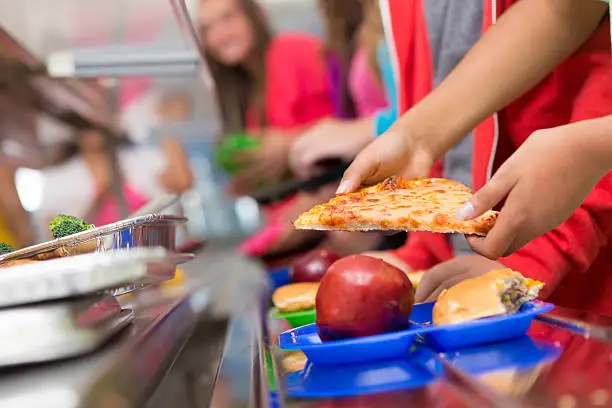
The Ulster Farmers’ Union (UFU) has called for more locally produced food to be served in schools, hospitals and public sector canteens across Northern Ireland.
Deputy president Glenn Cuddy said the union did not want to become involved in arguments surrounding religious certification or faith-based dietary requirements regarding school meals.
Instead, Cuddy said the more important discussion is how government and public bodies can do more to support local farmers and food producers through their procurement policies.
He said farmers produce food to some of the highest standards in the world and that members are proud of the quality, welfare, traceability and sustainability credentials underpinning local food production.
Cuddy said public procurement has an important role at a time when food security, supply chain resilience and support for local economies are increasingly important.
Money spent on school meals, hospital catering and wider public sector food procurement should deliver benefits for local communities and farming families wherever possible, he said.
The UFU has consistently argued that domestic food producers need to be placed at the centre of future food policy, linking the ability to provide high-quality, nutritious food with health and wellbeing.
The union believes procurement processes should give greater recognition to food provenance, sustainability and opportunities to source food locally.
Consumers increasingly want to know where their food comes from and how it is produced, Cuddy said. Schools provide an important opportunity to educate young people about food production and strengthen the connection between the food on their plates and the farmers who produce it.
Local farmers manage the vast majority of Northern Ireland’s countryside while producing safe, affordable and nutritious food, he said.
Public procurement should recognise the wider economic, social and environmental benefits from supporting local agriculture, Cuddy added.
Rather than focusing on where individual products originate at a point in the supply chain, the question should be what more can be done to increase the amount of local food reaching public sector kitchens, he said.
This conversation benefits farmers, consumers, pupils and taxpayers alike, Cuddy said.