County Down man jailed for 10-and-a-half years over Galway mosque bomb plot
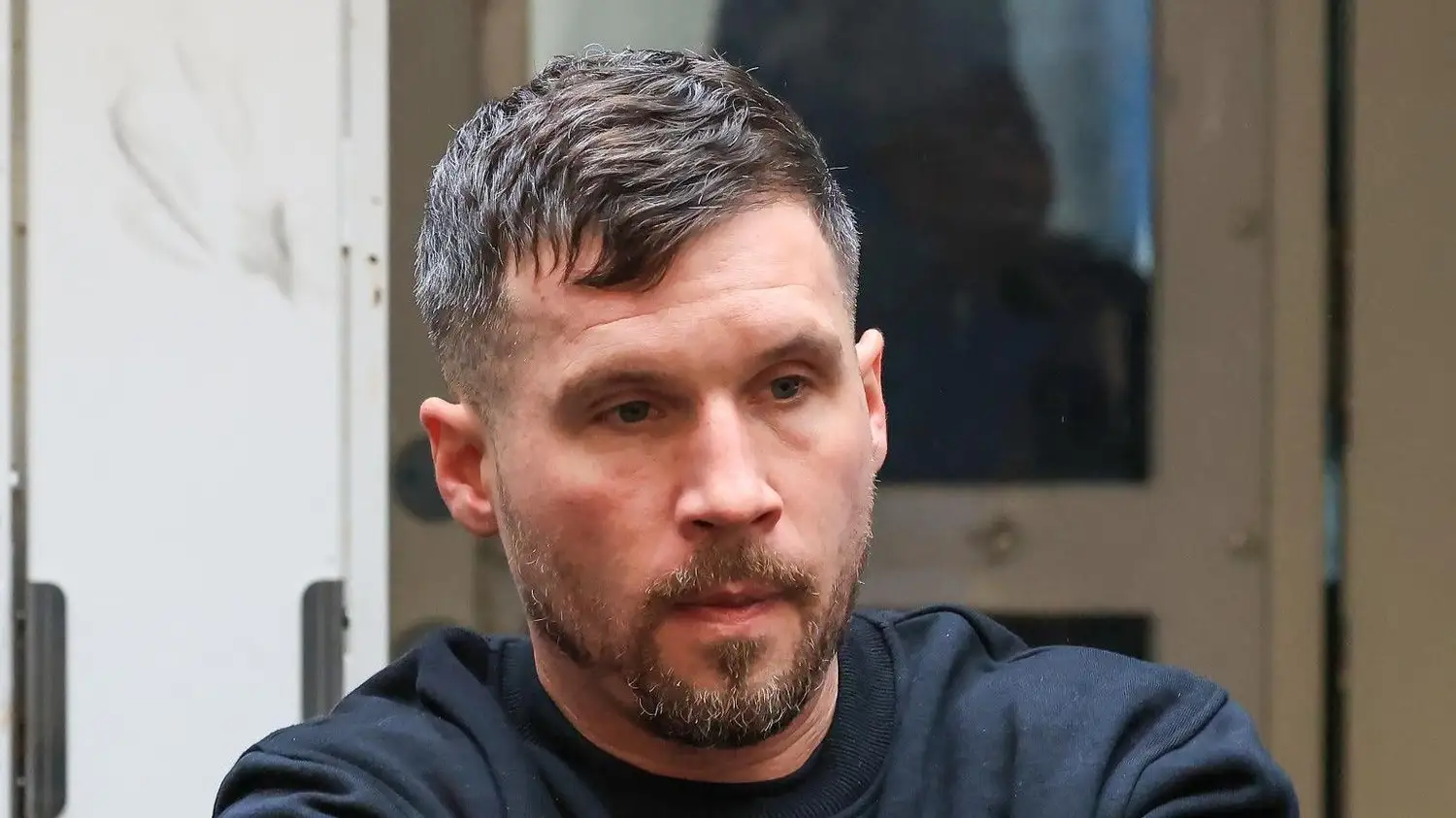
A County Down man has been sentenced to 10 and a half years in prison for planning to bomb a mosque in Galway.
Garrett Pollock, 36, of Kilhorne Green in Annalong, was sentenced by the Special Criminal Court in Dublin on Friday. The final year of his sentence was suspended.
Two co-defendants also received sentences. Darren Gorman, 34, of O'Moore Place in Portlaoise, and Karolis Peckauskas, 39, of Newfoundwell Road in Drogheda, were each jailed for eight years, with the final year suspended.
The court heard that the three men had made advanced plans to blow up the Maryam Mosque on the Monivea Road in Galway between November 4 and 5, 2025. They were arrested before carrying out the attack.
Pollock also pleaded guilty to possessing an explosive substance. Gardaí found four glass jars containing explosive materials hidden in a drawer in his van on November 4.
The men were part of a group calling itself the Irish Defence Army. Detective Inspector Alan McDevitt described the group as a violent right-wing extremist organisation, a splinter of the online Irish Citizens Army that communicated on the messaging app Signal.
Items seized by Gardaí included cable ties, hatchets, knives, masks, balaclavas, sunglasses, a can of sealing putty, an Irish flag, and five litres of chemicals that could be used in pipe bombs.
The court was told that the men recorded a video in Gorman's kitchen claiming responsibility for the planned attack. In the video, four masked men in tactical gear stood in front of an Irish flag and said they wanted to take responsibility for the destruction of the first mosque introduced into the country.
In sentencing, Ms Justice Caroline Biggs said that modern Ireland is a multicultural and diverse country and that the actions of the group bring shame on the country. She described the offence as attempted arson intended to spread a terrorising message worldwide, and said it was clear the attack was intended to be the first of many.
The court heard that Pollock was radicalised online after he began misusing alcohol and cocaine. A doctor's assessment said his actions occurred in the context of emotional dysfunction, low self-esteem, and isolation. Pollock submitted a written letter expressing remorse and shame.
The PSNI cooperated with An Garda Síochána during the investigation.