Ulster University Irish diploma intake in Belfast expected to top 30
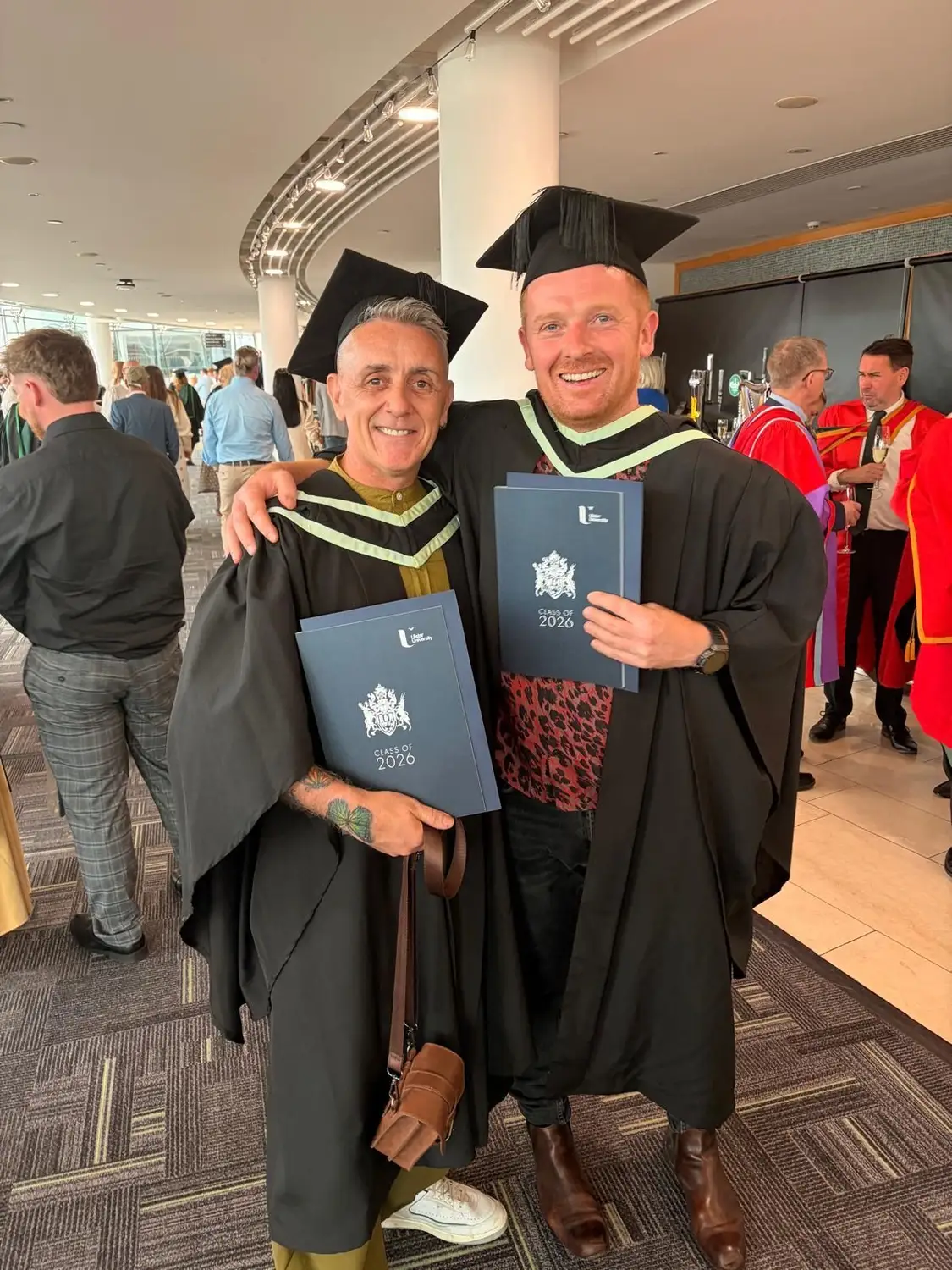
The number of students beginning the first year of the part-time Irish Language Diploma at Ulster University's Belfast campus is expected to surpass 30 this academic year, the programme's director has said. Dr Gearóid Ó Domagáin, director of the Diploma in Irish, stated that last year's intake reached 35 students and that between the two year-groups on the diploma, there will be 60 to 70 learners enrolled in Belfast this year.
The diploma, a two-year part-time course, was first offered in Coleraine in the 1990s before expanding to Belfast. It is now also available in Derry, Cookstown, and Armagh, although Belfast attracts the highest demand. A part-time degree programme in Irish is also underway, with around ten new students entering each year. The degree takes four and a half years to complete on a part-time basis, with fees calculated on a pro-rata basis to the full-time course. Dr Ó Domagáin noted that many prospective degree students are ineligible for student loans because they already hold a degree, which limits uptake despite strong interest.
The course director said that the structured, logically sequenced curriculum is the main attraction for students, distinguishing it from community-based Irish classes that sometimes lack clear progression. He explained that many students stay with the programme for several years, often moving from the diploma to the degree and then to a master's programme.
The student body includes a broad mix of ages and backgrounds. Parents of children attending Irish-medium schools, classroom assistants seeking language qualifications, and individuals from early twenties to retirement age are all represented. There is also a wide range of Irish language ability, from complete beginners to fluent speakers. Dr Ó Domagáin said this creates a supportive dynamic in which stronger learners assist those who are weaker, and teaching staff use a positive, collaborative approach. Students can take a year out from the course if personal commitments arise, and most who start eventually complete the programme.
Dr Ó Domagáin argued that financial support from government would help widen access. He pointed to upcoming changes in Irish language legislation, which he said would create more opportunities for people with recognised university qualifications in Irish. He said that if authorities saw the value of the course and provided scholarships or subsidies, it would enable more people to take part.