First puffling footage recorded on Lighthouse Island after decade-long introduction effort
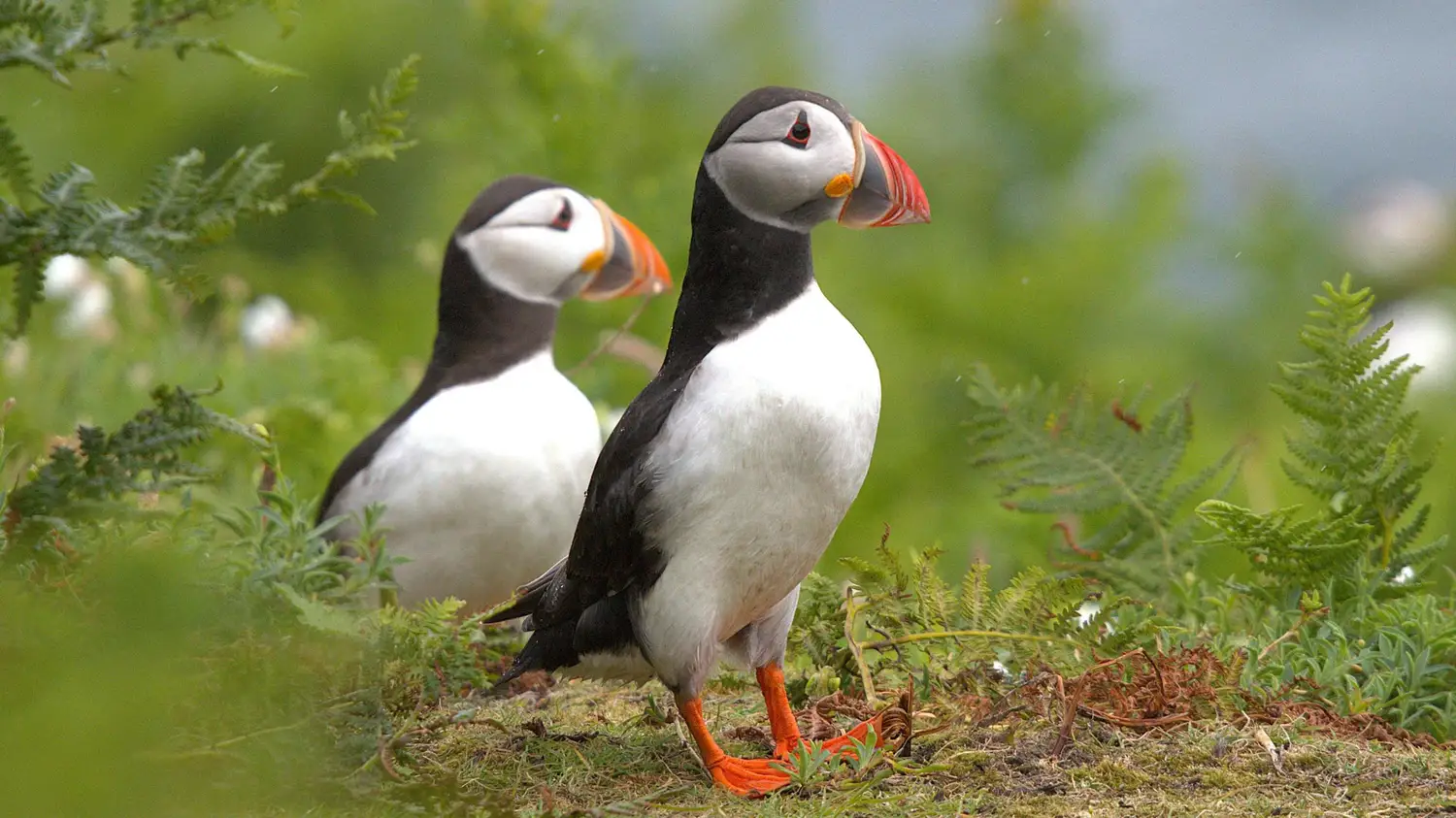
A puffling has been filmed on Lighthouse Island in the Copeland Islands off the County Down coast for the first time since an introduction scheme began around 2013. The uninhabited island had no native puffin population before the project.
Trail cameras positioned near ground burrows captured the footage last month. The recording shows a young puffling outside its burrow and an adult bird returning with fish to feed the chick.
Puffins were not indigenous to Lighthouse Island. The effort to establish a colony included placing decoy models and playing recorded puffin calls through a solar-powered speaker system. Around 30 breeding pairs now arrive each April.
Adam Ringland, of the Copeland Island Bird Observatory based on the island, said the birds are thriving. He noted the grassy slopes suit them and that existing burrows dug by rabbits and Manx shearwaters provide ready-made nesting sites.
Lighthouse Island has no permanent residents. Only volunteers and occasional weekend visitors to the bird observatory are present. Access is restricted to approved charter boats. Ringland said this lack of disturbance has given the puffins space to grow and breed.
He added that puffins play a role in regulating fish stocks and fertilising the land, and that the conservation work is important given declines in some seabird populations. The observatory has been monitoring the colony with trail cameras.
Puffins are most commonly associated with Rathlin Island off County Antrim, but they have also returned in recent years to the Isle of Muck nature reserve after a rat eradication programme. Ringland expressed hope that similar successes will spread along the east coast.