Rathlin Island Achieves Ferret Eradication in Conservation Milestone
Rathlin Island, located off the north coast of County Antrim, has eradicated its feral ferret population. The LIFE Raft project, led by RSPB NI, confirmed no ferrets sighted since October 2023. The effort began in 2021 with a £4.5 million budget funded by the EU LIFE scheme, National Lottery Heritage Fund, Department of Agriculture, Environment and Rural Affairs, and Garfield Weston Foundation.
The island sustains Northern Ireland's largest seabird colony, hosting over 250,000 birds yearly, such as puffins, razorbills, guillemots, and Manx shearwaters. It also supports corncrakes, not found breeding elsewhere in Northern Ireland. Ferrets, introduced in the 1980s, targeted eggs, chicks, and adult birds. An estimated 100 ferrets inhabited the island prior to removal. Erin McKeown of RSPB NI reported one ferret killed 27 puffins over two days in 2017.
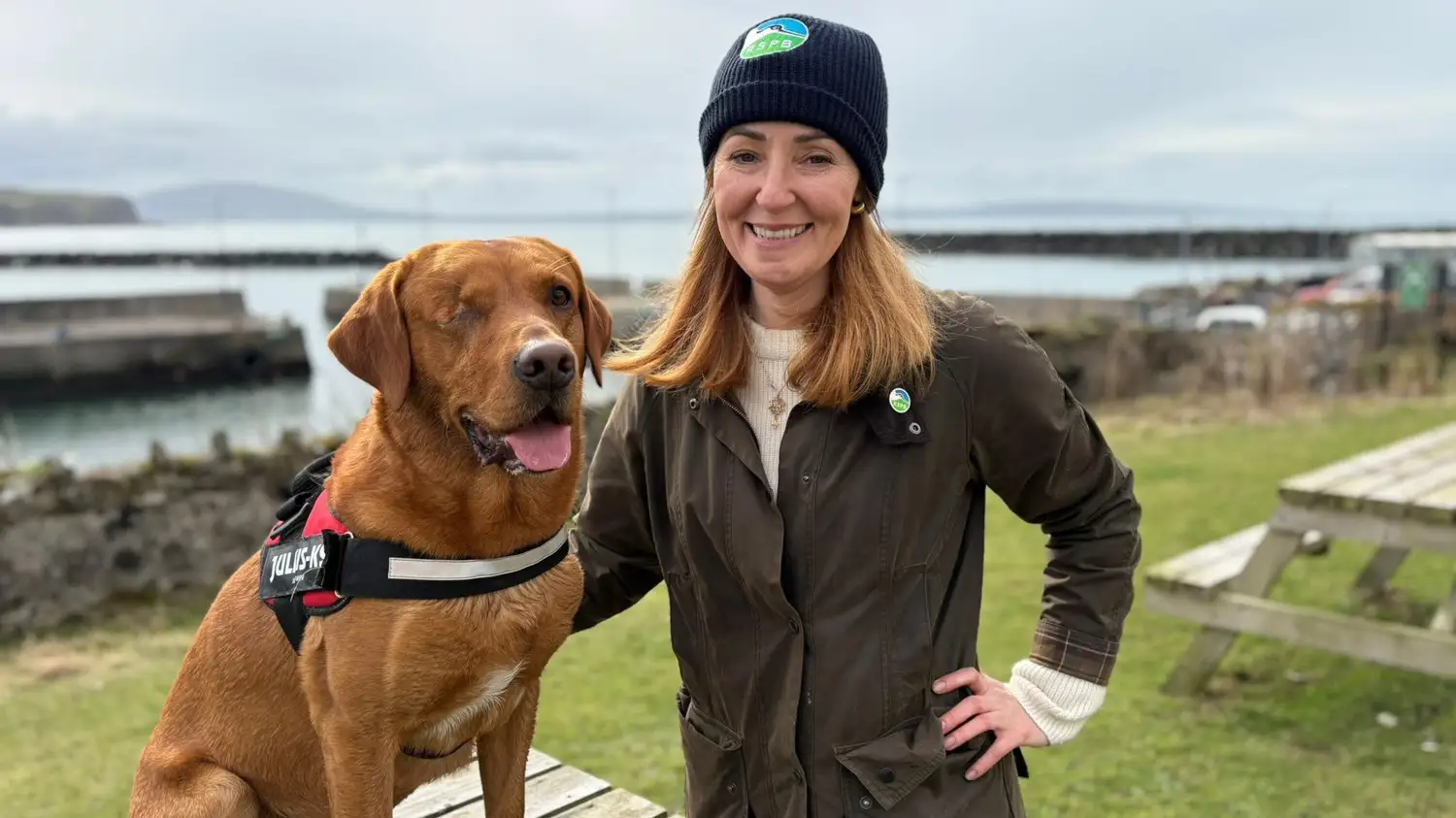
Project teams deployed over 400 traps and captured 98 ferrets during winter 2023. They placed nearly 7,000 rat bait traps at 250-metre intervals in 2024. Operations involved 30 staff and 60 volunteers, active mainly in autumn and winter. Tools included 110 monitoring cameras, thermal drones, and detection dog Woody.
Residents, about 150 in number, faced ferrets entering chicken coops. Tom McDonnell, a local resident and wildlife photographer, stated people can now raise chickens without concern. Marina McMullan, chairwoman of Rathlin Development and Community Association, noted the project created jobs and increased local trade.
Early recovery appears with Manx shearwaters breeding after 20 years. Claire Barnett, RSPB NI area manager, anticipates seabird population growth. The initiative also addresses rats, with none observed since June 2025 and rat-free declaration targeted for 2027.
Woody now serves as biosecurity dog, inspecting shipments of hay and farm feed at Ballycastle and the island to prevent rodent arrivals. Partners encompass Rathlin Development and Community Association, Causeway Coast and Glens Heritage Trust, and Causeway Coast and Glens Borough Council.