Blue-Green Algae Shuts Lakes at Camlough and Craigavon
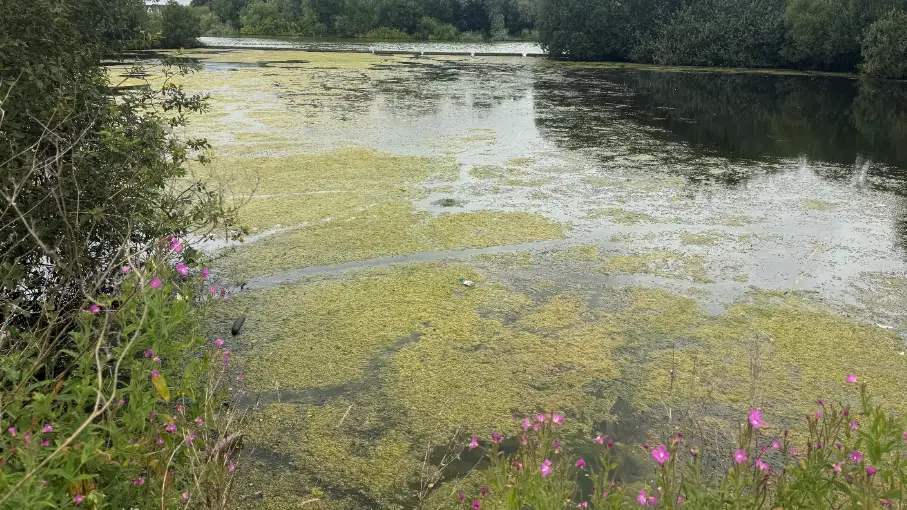
Authorities have confirmed 248 sites of blue-green algae across Northern Ireland's water systems, 80 of which were identified in June and July. Toxic blooms have prompted closures at Camlough Lake near Newry and at Craigavon Lakes.
At Camlough Lake, warning signs were erected on 13 July after the Department of Agriculture, Environment and Rural Affairs (Daera) notified Newry, Mourne and Down District Council of the presence of the algae. Karl Toner, who operates a coffee cart, a glamping site and a paddleboard hire business at the lake, said visitor numbers dropped sharply following the alert. He stated that on good summer days the area would normally attract hundreds of people swimming and enjoying the lake from morning until midnight, but it is now empty. Mr Toner compared the situation to having an amusement park that cannot open.
Joanne Callan, a regular open-water swimmer from Bessbrook, said a community of more than 100 swimmers and cold-water dippers has developed at Camlough Lake since the pandemic. She said the lake is usually busy with families, paddleboarders and triathlon athletes during the summer, and closures during this period affect people physically, emotionally and socially.
At Craigavon Lakes, Armagh City, Banbridge and Craigavon Borough Council suspended watersports activities and open-water swimming on 21 July due to blue-green algae. The council said it is monitoring conditions daily and carrying out assessments in line with safety procedures. Restrictions will remain until the water is deemed safe.
Rachel Turkington, who visits Craigavon Lakes regularly with her daughter Tilly for walks, said they avoid entering the water and have noticed stagnant areas with green patches and visible blooms. She said the family recently bought a paddleboard but would only use the lake if water quality concerns were addressed. She also stated that they take extra care not to let their dog drink from local waterways.
Daera said restoring the ecological health of water bodies requires respecting the science and supporting difficult decisions, adding there are no quick fixes. The current scale of blooms follows a year in which algae was detected at levels not seen since the 1970s.