Eggs regain favour among health-conscious, but cooking is essential
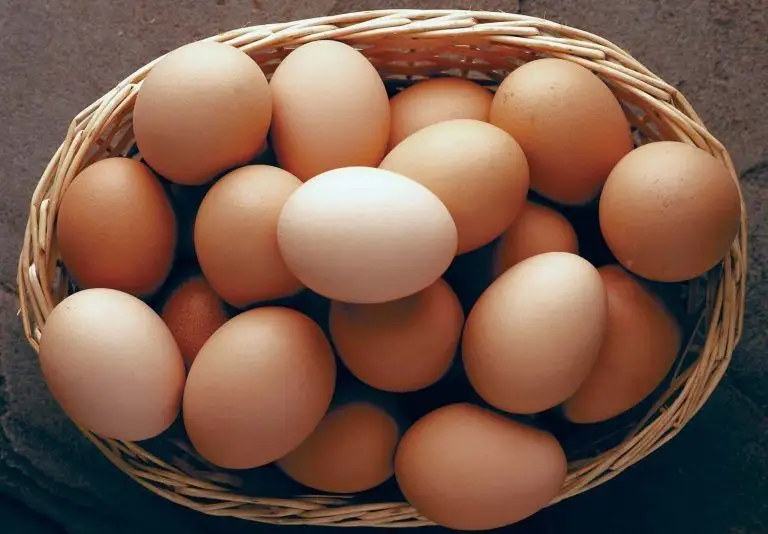
Eggs, once avoided during the low-fat dietary trends of the 1990s due to cholesterol concerns, are now recognised as a nutritious food, according to Belfast-based registered nutritionist Lee McCusker.
McCusker states that the cholesterol in eggs is needed for hormone production and contributes less to harmful cholesterol levels than foods such as red meat, full-fat dairy, and palm or coconut oil.
Eggs are a source of protein, vitamins B2, B9, B12, D, A, and iodine. However, individuals with an egg allergy or intolerance must avoid foods containing eggs, including mousses, certain cakes and pastries, soufflés, mayonnaise (except vegan varieties), hollandaise and béarnaise sauces, salad dressings, some ice creams and icings, tiramisu, baked Alaska, and Italian meringue.
McCusker emphasises that eggs should always be consumed cooked. Raw eggs contain a protein called avidin that is not broken down; this interferes with the absorption of biotin (vitamin B7), which is essential for metabolising carbohydrates, fats, and proteins. Cooking eggs destroys avidin, allowing the body to access biotin. Eating raw eggs increases the risk of biotin deficiency, McCusker warns.
Lee McCusker holds multiple degrees (BA, MSc, MSc, MSc) and is registered with the Association for Nutrition (ANutr) and the Sport and Exercise Nutrition Register (SENr). He can be found on Facebook, Instagram, and Twitter, and contacted via email at attentivenutrition@gmail.com.