Blue-Green Algae Detected in Lough Neagh for First Time This Year
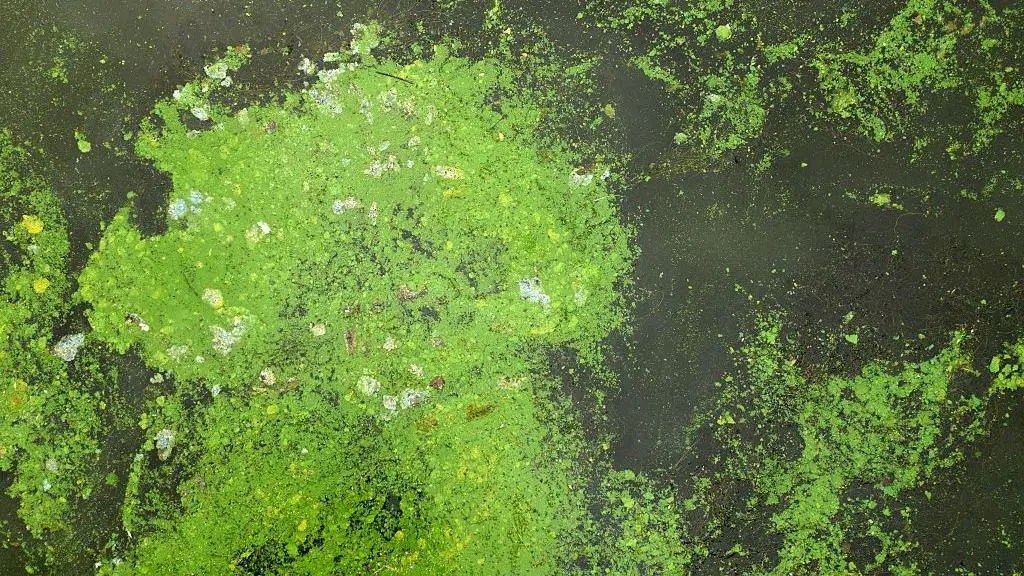
Blue-green algae appeared on the south-west shore of Lough Neagh off the Washingbay Lough Walk. The sighting marks the first detection this year. A report submitted to the Bloomin' Algae app received verification on Wednesday.
A Department of Agriculture, Environment and Rural Affairs spokesperson stated the appearance followed decades of ecological decline in the lough. The official noted that restoration requires science-based choices despite lacking immediate solutions. Weather conditions will affect bloom intensity this summer, the spokesperson added.
Recent cool, stormy, and overcast conditions in Northern Ireland limited algae growth. Blooms will likely increase with better weather.
Other verified reports occurred at Brantry Lough in County Tyrone and Castlewellan Lake in County Down since early 2026.
Lough Neagh, the largest freshwater lake in the UK, has faced algae issues since summer 2023 at levels unseen since the 1970s. Excess phosphorus and nitrogen fuel the problem. Sources include agriculture, wastewater treatment, septic tanks, industry, and households.
The invasive zebra mussel alters lough ecology by consuming regular algae while avoiding toxic blue-green algae. This clears water for more sunlight penetration and reduces competition for nutrients.
Lough Neagh water temperature rose at least one degree since 1995. Blue-green algae, or cyanobacteria, thrives in warm, nutrient-rich, sunlit surface waters, forming visible scums. Contact risks skin irritation and illness, with greater threats to pets, livestock, and wildlife.