Housing Executive Spends £1.4m on Bonfire Protections and Clean-Up
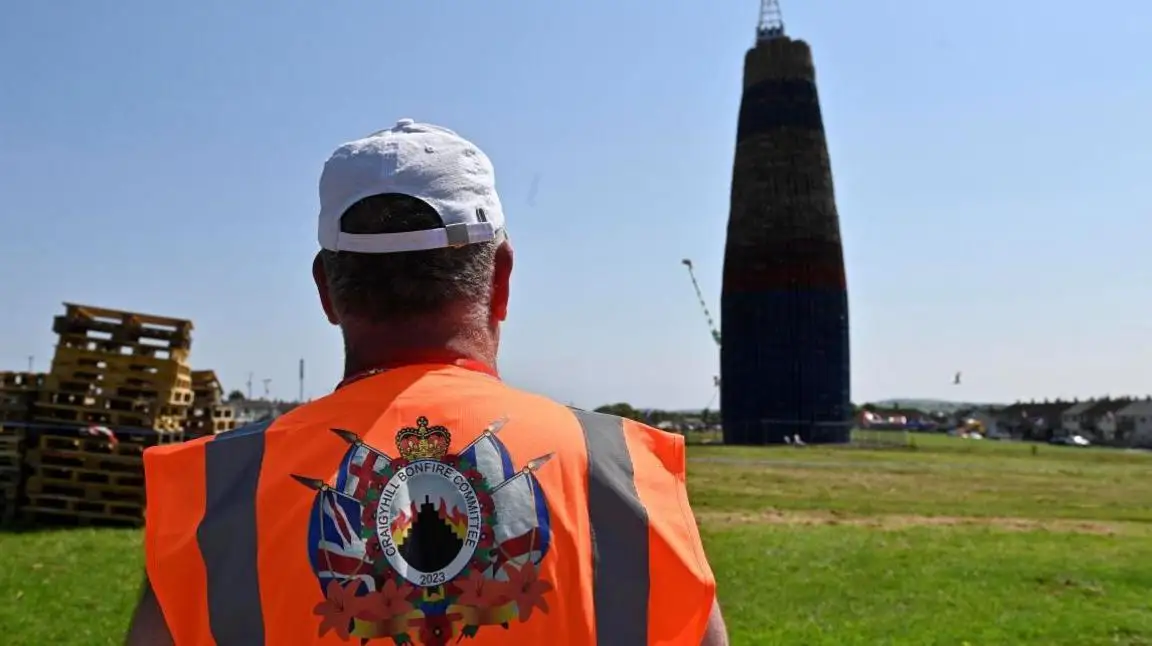
The Northern Ireland Housing Executive has spent more than £1.4 million over the past four years protecting and repairing homes near annual summer bonfires. Last year alone, the body spent over £512,000 on measures such as boarding up doors and windows, removing guttering and downpipes, and cleaning up ash and debris after the pyres were burned.
Other public bodies also faced significant costs between 2022 and 2025. The Department for Infrastructure reported almost £43,000 in bonfire-related clean-up expenses, while Libraries NI spent more than £25,000 to protect Tullycarnet Library in east Belfast, including boarding up dozens of windows with plywood panels.
Local councils incurred tens of thousands of pounds in additional costs. Antrim and Newtownabbey Borough Council paid over £61,000 for decontamination work at the Neillsbrook site in Randalstown, County Antrim, after asbestos was found in the remains of a bonfire. The council used a specialist contractor to remove the hazardous material and reported the matter to the Northern Ireland Environment Agency, which said no further action was required.
Hundreds of bonfires are lit across Northern Ireland each July, mainly in unionist areas, with a smaller number in republican areas in August. While many pass without incident, some draw controversy for their size, proximity to homes, or displays. This year, a bonfire in Moygashel, County Tyrone, included a replica of a mosque, provoking widespread condemnation.
The Housing Executive said it does not permit bonfires on its land but works with agencies, elected representatives, and communities to reduce risks where they are built without approval. It added that more areas are now using environmentally friendly beacons instead.
Political representatives expressed frustration at the costs. Sinn Féin assembly member Deirdre Hargey said the current unregulated approach to bonfires has failed and called for a united political response to make cultural celebrations safe and tolerant. Alliance assembly member Sian Mulholland described the spending as frustrating when public services are underfunded, and stressed that cultural celebrations should always be safe, respectful, and lawful.
A Stormont body set up a decade ago to address disputes over cultural issues such as bonfires and flags published its final report in December 2021, but no political consensus has been found on a way forward since.