Police Trial Handheld Speed Cameras to Tackle Rural Road Deaths
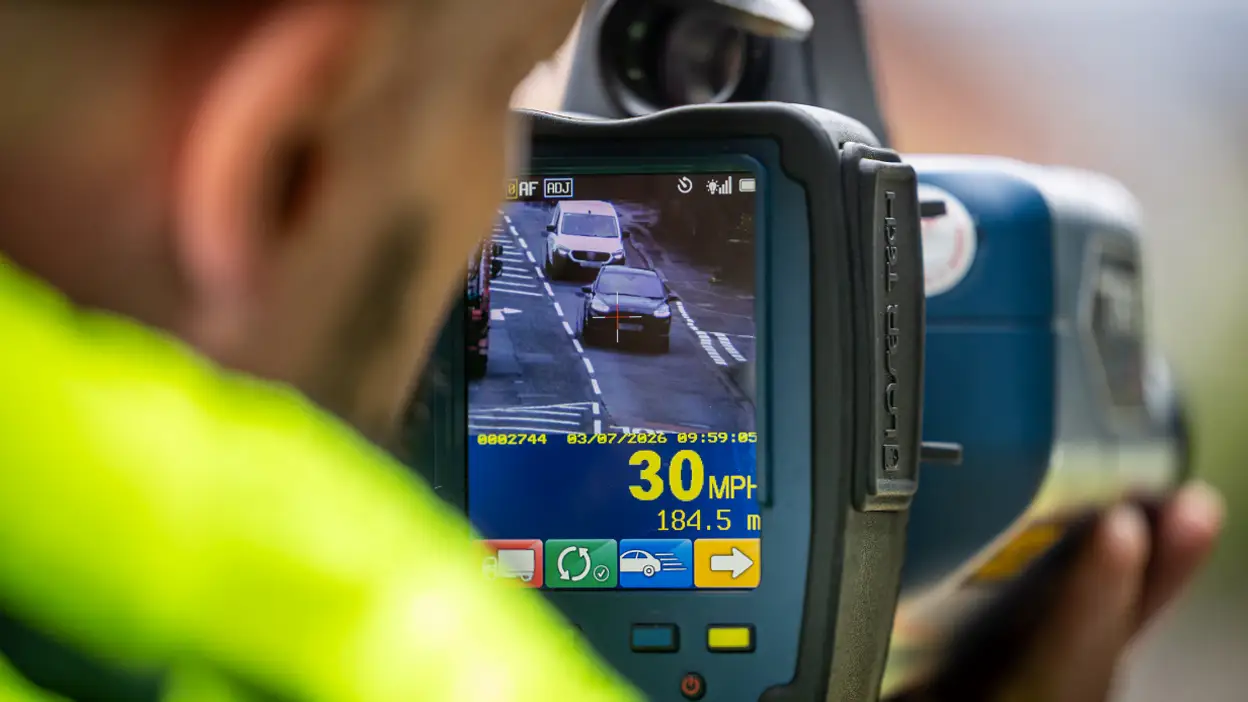
Police in Northern Ireland have begun a three-month trial of new handheld speed cameras that can be used on any road, at any time, including during the hours of darkness.
The three Trucam II devices, operated by the PSNI's Road Policing Unit, combine laser and high-definition video technology to detect speeding drivers. Because the cameras capture clear images, there is no need to stop a motorist at the scene. Offenders will instead receive a fixed penalty notice by post, in the same way as those caught by speed vans.
Chief Inspector Celeste Simpson, head of road policing, said the cameras allow officers to enforce speed limits on roads that camera vans cannot access, particularly rural routes with a history of collisions and where communities have raised concerns. The devices can be deployed anywhere in Northern Ireland at any hour.
Chris Arthur of the North West Road Safety Partnership welcomed the technology, noting that 36 people have already died on Northern Ireland's roads in 2026. He said rural roads account for a disproportionately high number of serious crashes and that any tool which could save lives was valuable.
Tricia O'Neill from Road Safe NI highlighted the catastrophic impact of high-speed collisions, particularly head-on crashes. She stressed that many deaths are preventable if drivers reduce their speed, pointing to the very low survival chances for pedestrians hit at higher speeds.
A differing view came from Martin Boyd of the Motorcycle Action Group, who argued that while speed detection is necessary, poor driver behaviours such as inattention, distraction, driving too close and emerging from junctions without care are the bigger cause of fatal and serious collisions.
Speed is one of the so-called Fatal Five factors identified as leading contributors to deaths and serious injuries on the roads.