Stormont Warns Burnham Devolution Drive Risks Repeating Past Failures
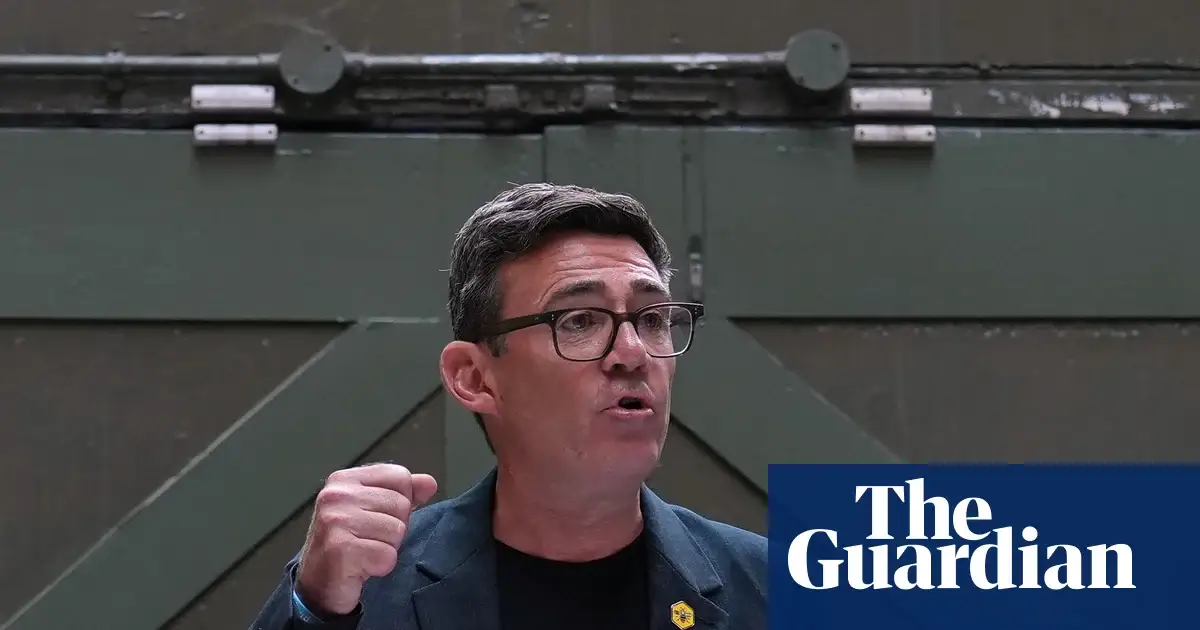
Andy Burnham is set to become prime minister on 20 July, bringing promises of a “rewired Britain” with power pushed away from London. But his devolution agenda has already met with sharp scepticism from the Northern Ireland executive.
In a keynote speech last week, Burnham pledged a new “No 10 North” as the nerve centre of a rewired Britain, but his only reference to devolution outside England was that powers must go “deeper down”. The lack of detail has left officials in Belfast, as well as Edinburgh and Cardiff, unconvinced.
First Minister Michelle O’Neill was dismissive. She said the identity of the prime minister may change, but the policy remains the same. Speaking during crisis budget talks at Stormont, she said the ongoing discussions set the scene for Burnham. She called for a choice: either continue with stop-gap funding, or fix the fundamental flaws in Northern Ireland’s finances and invest properly.
That scepticism is rooted in Stormont’s own record. The Independent Fiscal Commission, established by former finance minister Conor Murphy, found that the assembly could theoretically take on more fiscal powers, but it warned that almost everyone consulted doubted the executive’s political capacity to act sensibly. The commission’s report was full of qualifications.
Those doubts have only grown with the current executive. Ministers remain unable to tackle long-standing issues such as health-care reform, the size of the public sector, and crumbling water infrastructure. They have repeatedly failed to agree on a budget. Finance Minister John O’Dowd’s own party colleagues in the executive refused to endorse his draft budget, and last week parties met with the secretary of state at Hillsborough Castle to seek yet more financial support.
The devolution push also faces questions about fairness. Burnham has reportedly U-turned on a pledge to scrap or reform the Barnett formula, which determines Treasury allocations to the Celtic nations. In his 2024 book, he argued for funding based on social factors and need, but last month he appeared to rule out changes. That has disappointed those in Northern Ireland who argue the region is underfunded.
Some unionist voices have also warned against rushing more powers to Stormont. The experience of devolution in Northern Ireland, Scotland, and Wales shows a pattern of administrations blaming Westminster for their own failures, while demanding more money. The fiscal commission’s findings underscore the risk that extra powers could be used irresponsibly.
As Burnham prepares to take office, his devolution promises will be tested by the reality of an executive that has struggled to use its existing powers effectively. Michelle O’Neill’s message is clear: Northern Ireland needs a genuine reset, not just a change of face in Downing Street.