Stormont dysfunction ‘toxic’ for public confidence, Opposition leader warns MPs
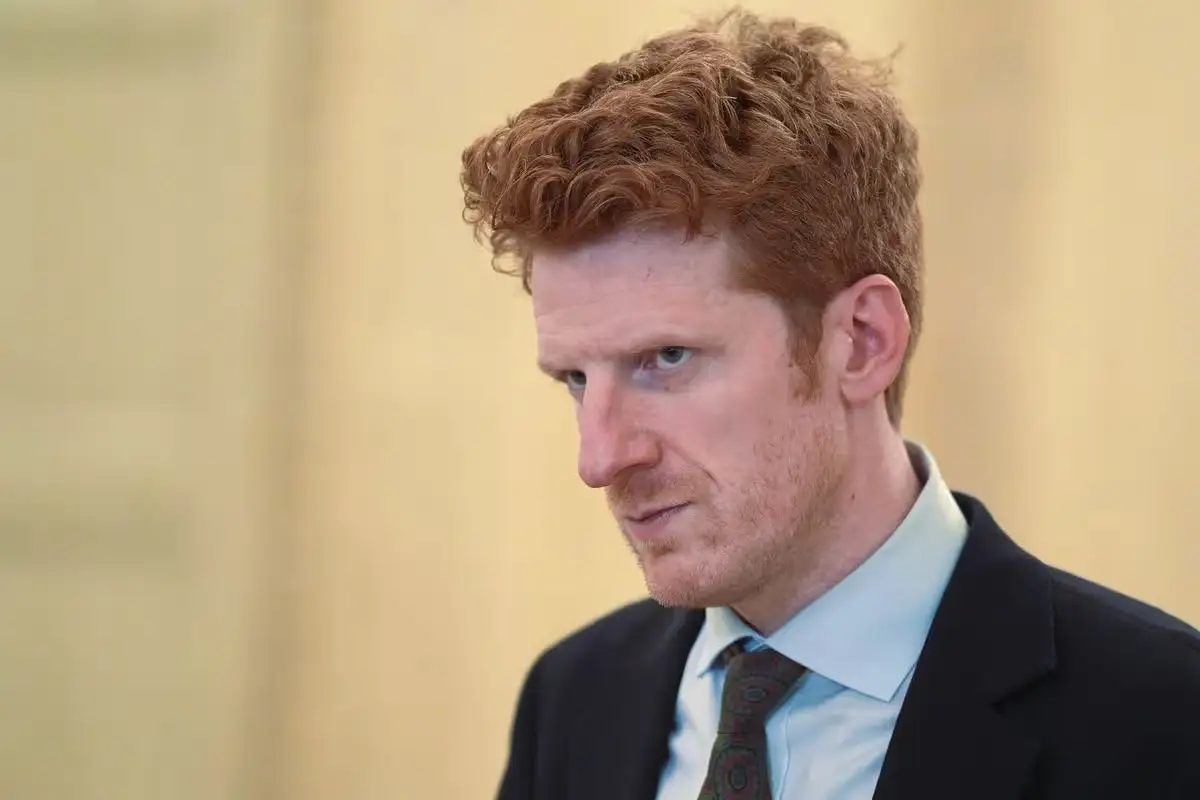
Northern Ireland’s Opposition leader has described the lack of delivery from Stormont as toxic and warned that public confidence in devolution is draining away. Matthew O’Toole told the Northern Ireland Affairs Committee that citizens cannot see what meaningful improvement the institutions make to their lives, and called for both structural reform and a cultural shift among political leaders.
Mr O’Toole noted that the Executive has still not agreed a budget for this financial year, leaving civil servants authorised to spend only 95% of last year’s allocation, an effective cut of 5% across all departments.
Alliance deputy leader Eoin Tennyson said the UK government must be more engaged in making the institutions work. He accused the two largest parties, Sinn Féin and the DUP, of abusing veto mechanisms to hold each other’s legislative proposals hostage. Two examples given were the blocking of an independent environmental protection agency, which was promised to address the crisis at Lough Neagh, and the use of a petition of concern to stop a proposal to raise the minimum age of criminal responsibility from 10 to 14.
UUP leader Jon Burrows defended his party’s support for the petition of concern, calling it a legitimate safeguard for the vulnerable. He told MPs that most people regard Stormont as a basket case and argued for basic changes to how business is done. His proposals included replacing the titles of first and deputy first minister with a joint first minister role and creating a fully functioning opposition with shadow ministers to improve scrutiny of legislation.
Mr Tennyson also warned that the institutions face either repeated collapses or a slow bleeding of public trust. He stressed the need for the same level of external pressure that helped secure the 1998 Agreement.
The evidence sessions come after years of political instability, with the devolved institutions having collapsed between 2017 and 2020, and again from 2022 to 2024. DUP leader Gavin Robinson is due to give evidence on Wednesday.