Sinn Féin proposes Stormont reforms to end largest-party vetoes
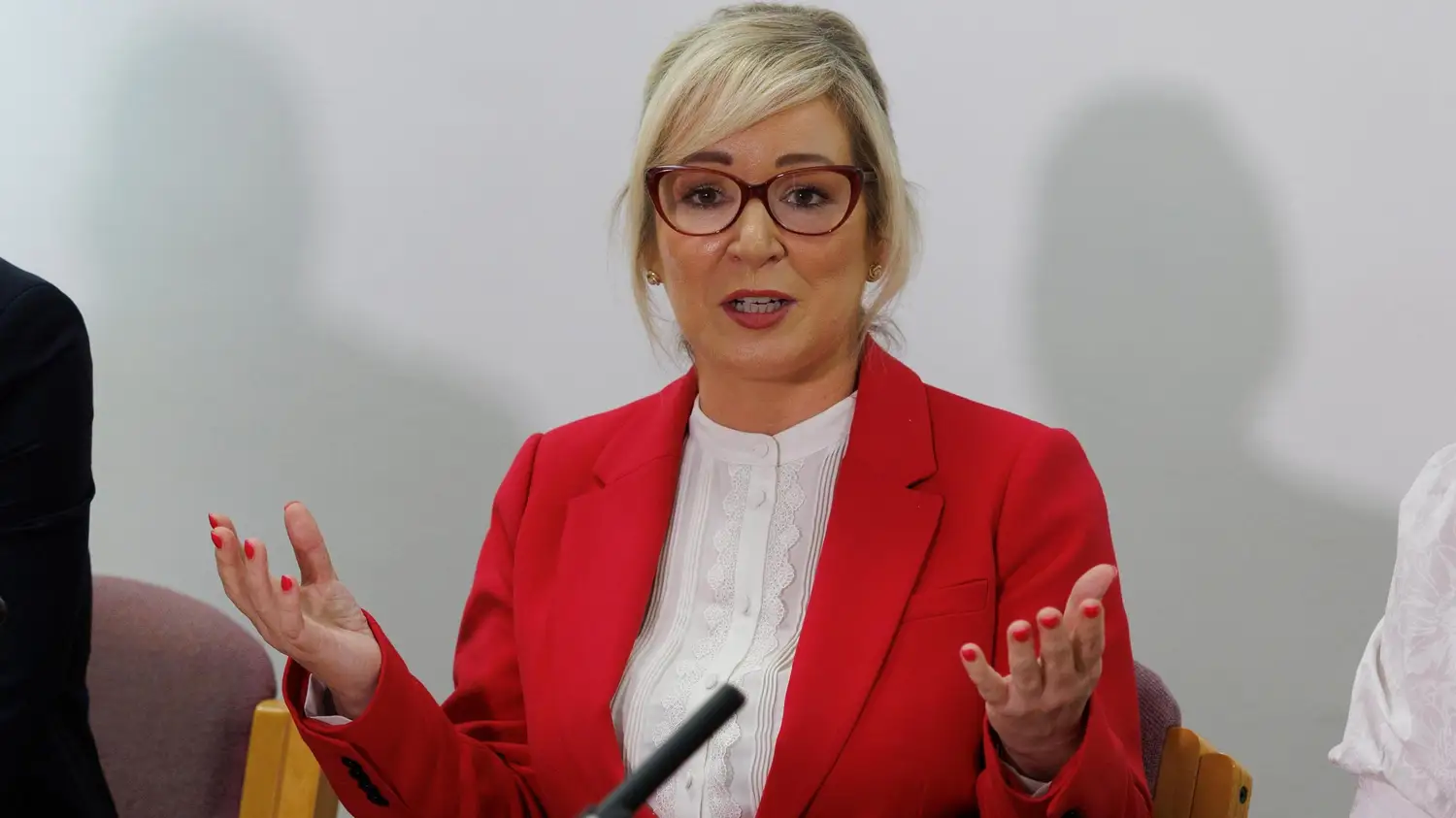
Sinn Féin has published a set of proposals to reform how the Stormont institutions operate.
The main change would remove the ability of the largest nationalist or unionist party to block formation of the executive by refusing to nominate a first or deputy first minister. Under the plan, the right to nominate would pass to another party if either of the largest parties declined to do so.
The party also proposes ending the requirement for a cross-community vote to elect the assembly speaker. It wants the justice minister to be appointed through the D'Hondt method rather than requiring cross-community support.
Additional measures include requiring the speaker to provide explanations for rulings and calling on the UK government to devolve further fiscal powers such as income tax and air passenger duty.
First Minister Michelle O'Neill said the proposals aim to remove the threat of collapse while preserving power-sharing principles. She stated that the changes are not an exhaustive list and that the most significant reform would ultimately be constitutional.
DUP leader Gavin Robinson said he would examine the proposals but emphasised that politicians' approach matters more than procedural changes. SDLP leader Claire Hanna called for the UK and Irish governments to begin negotiations on reform.
Any changes would require legislation to amend the Northern Ireland Act and support from unionist parties.