Casement Park Set for Smaller Redevelopment as Executive Funding Stays in Place
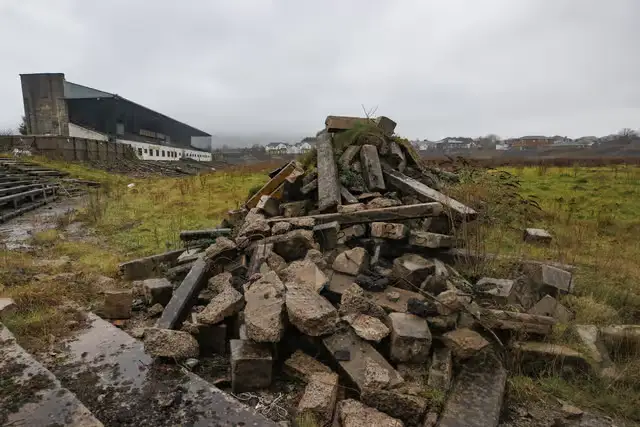
The Northern Ireland Executive’s £62.5 million funding commitment for the redevelopment of Casement Park remains available, Communities Minister Gordon Lyons has confirmed, as the GAA looks set to scale back its plans for the west Belfast ground. The reduced capacity is expected to fall well below the original 34,000, meaning the stadium would not host Ulster senior finals but would be used for other provincial fixtures.
Lyons said he wants a project that is sustainable, affordable and value for money. He confirmed a new business case would be needed because circumstances have changed since the 2011 agreement, including how people watch sport and the funding environment. He has advocated for a smaller stadium for two years, stating that the executive is not awash with money and the GAA was not prepared to increase its contribution.
The original £62.5 million was part of a regional stadia programme that also funded the redevelopment of Windsor Park and Ravenhill. Cost estimates for Casement have since soared. The GAA has committed at least £15 million, the Irish government has offered around £42 million, and the UK government has pledged £50 million. A draft budget proposed increasing the executive’s share to over £100 million, but that was not agreed by ministers.
Ulster GAA said it remains fully committed to delivering the provincial stadium and that its project team is reviewing a phased approach. It did not confirm a scaling back.
First Minister Michelle O’Neill described the rebuild as an absolute priority and noted that diggers and workers are now on site. Stormont opposition leader Matthew O’Toole said a smaller stadium was unacceptable and stressed the importance of keeping the existing planning permission live.
People Before Profit MLA Gerry Carroll questioned whether the GAA had heeded residents’ safety concerns. The Ulster Unionist Party said the project should be redesigned to match the available funding. TUV councillor Ron McDowell suggested the site be used for residential development instead.
Lyons rejected claims the project had gone wrong under his leadership. He pointed to 14 years of delays, planning objections, legal challenges, and the prospect of Euro 2028, which inflated costs and expectations. He said football and rugby got their stadiums because they used the money that was available at the time.