Equality Commission Chief Denies Activism Amid Guidance Delay on Supreme Court Ruling
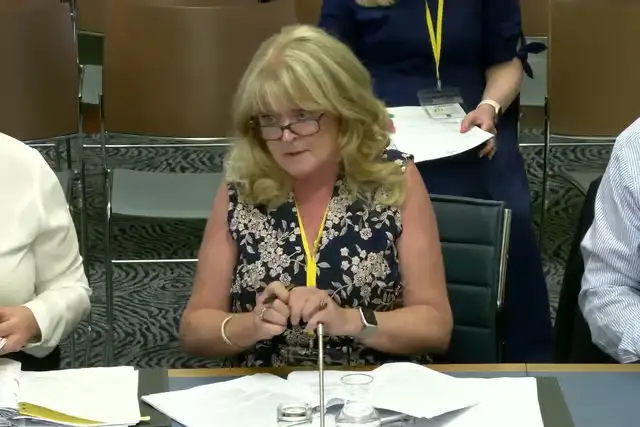
The head of the Equality Commission for Northern Ireland has rejected accusations that the body is engaged in political activism over its handling of a recent Supreme Court ruling on the definition of 'woman' in equality law. Geraldine McGahey, appearing before the Executive Office Committee at Stormont, said the commission is not challenging the judgment and is acting to produce legally robust guidance once there is sufficient clarity.
The United Kingdom Supreme Court ruled in the For Women Scotland case that 'woman' in equalities legislation refers to someone who was born female, not a person who self-identifies as such. The Equality Commission is now examining how that ruling applies in Northern Ireland, where the law diverges from Great Britain partly because of the Windsor Framework.
Ms McGahey highlighted Article Two of the Windsor Framework as a factor that could have legal significance in Northern Ireland. She noted that a subsequent ruling, the Dillon case, affirmed that point. The commission is seeking further clarity from the courts before publishing guidance for businesses and public bodies.
DUP leader Gavin Robinson had accused the commission of activism against the Supreme Court judgment. Responding to those claims, Ms McGahey said neither she nor her fellow commissioners nor staff were activists. She insisted the commission was simply doing its job in good faith.
On questions about staff involvement in Pride events, Ms McGahey said around four or five staff members participated in the parade in 2022 and 2023 but none have done so since. The commission runs an information stall at the annual Pride parade each year. She reiterated the organisation does not engage in political activism.
TUV MLA Timothy Gaston asked whether the commission had attended any Twelfth of July events. Ms McGahey replied that the commission only attends events upon invitation and had never been invited to a Twelfth event. She said equality is for everybody and the commission does not favour one group over another, adding she would welcome help in securing such an invitation.
Asked about legal definitions, Ms McGahey said the biological definition of male and female was clear. What remained unclear, she added, were the protections afforded to individuals who have obtained a gender recognition certificate or who are transgender.