Gardaí Renew Appeal for Information on 40th Anniversary of IRA Murder in South Armagh
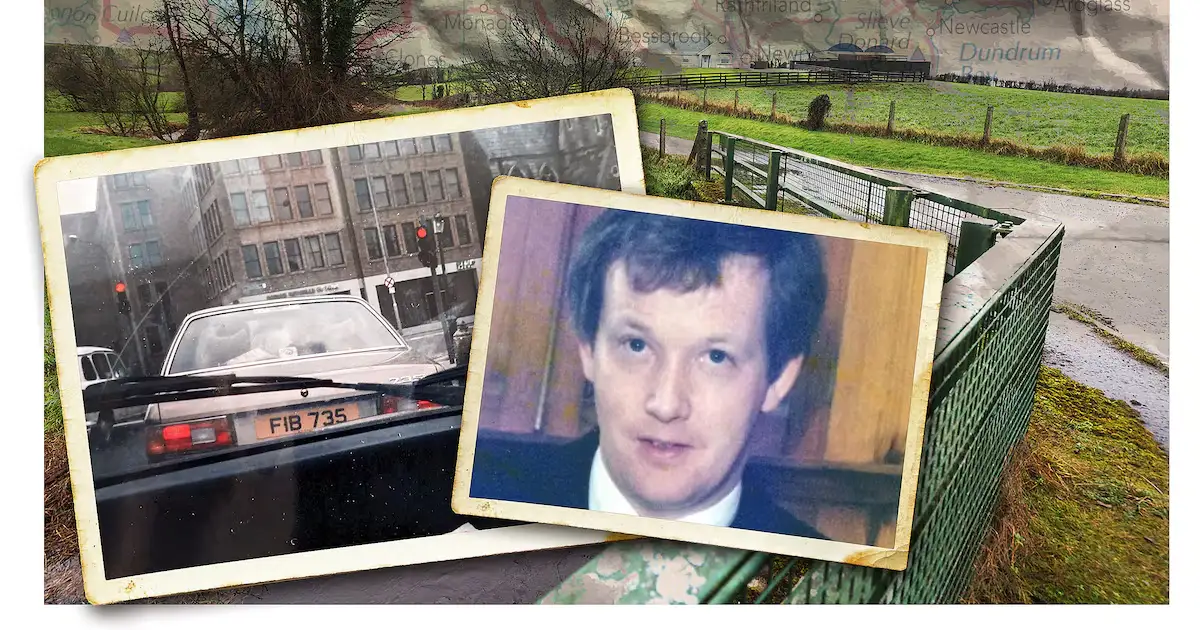
An Garda Síochána has renewed an appeal for information on the 40th anniversary of the abduction, torture and murder of Terence McKeever, a 30-year-old businessman from Killylea, County Armagh. His body was found dumped on a border bridge in south Armagh on 16 June 1986. No one has ever been charged.
McKeever left his Dublin home shortly before 7am that morning driving a champagne-coloured BMW 735i. He was travelling to his electrical contracting firm’s offices in Armagh. Investigators believe he was abducted along the Monaghan-south Armagh border area. His body, with hands tied and head covered, was discovered later that day at Mullaghduff Bridge near Cullyhanna. A postmortem found he had been shot three times at close range and had cigarette burns on his hand.
The IRA stated it killed McKeever because his family firm carried out work for security force bases across Northern Ireland. His family says his father, not McKeever, handled those contracts and no direct threats were ever made. At his funeral, Cardinal Tomás Ó Fiaich called the killing murder, pure and simple, and rejected any justification.
A stolen blue Toyota Liteace van, believed used in the abduction, was found abandoned in Ardee, County Louth, two days later. Gardaí recovered balaclavas, a face mask, cigarette butts, clothing and floor mats from the vehicle. However, those exhibits later went missing from Dundalk Garda station. Some items gathered by the former RUC in Northern Ireland are also unaccounted for.
Garda Superintendent James O’Leary, who leads the current investigation, said extensive searches of garda stations in Louth and Meath, and interviews with up to 80 retired officers, have failed to locate the lost material. One item held at the Forensic Science Laboratory in Dublin may still yield a DNA profile, but testing is delayed due to a backlog of higher-priority cases. Unidentified fingerprints also exist. O’Leary said the prospects of a prosecution are slim but still possible, and he appealed for anyone with information to come forward.
The original investigation identified four suspects, but their fingerprints did not match those found in McKeever’s car. The Historical Enquiries Team later concluded that even if the missing evidence were recovered, its admissibility would be questionable without a proven chain of custody. The murder weapon, a Colt .223 ArmaLite rifle, was linked to 16 attacks causing 15 deaths between 1974 and 1989. It was found hidden in a wall in Crossmaglen in 1990.
Gardaí are seeking information on McKeever’s movements on the morning of the killing, the theft and storage of the blue van, and the journey of his BMW. They believe that after 40 years, some people may now be in a position to provide details they could not share before. Anyone with information is asked to contact Ardee Garda Station or the Garda Confidential Line.
The family firm, which at its height employed almost 200 people, ceased operations soon after the murder. McKeever’s sister, Karen McAnerney, has campaigned for decades for accountability. She has said that on the 30th anniversary, when she visited the bridge to lay flowers, two cars pulled up and men silently watched her, a reminder that some of those responsible are still alive.