Cross-border customs crackdown looms as EU introduces €3 parcel duty
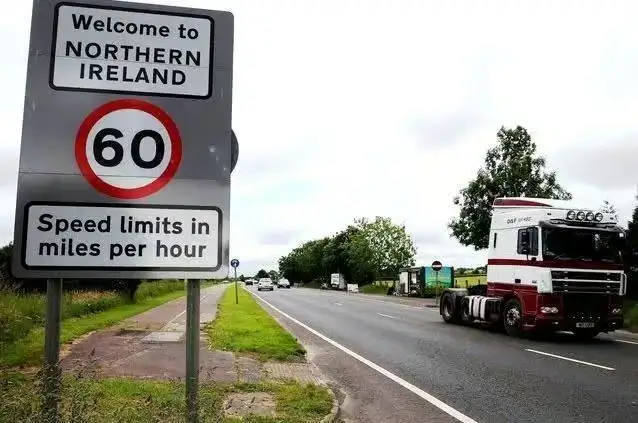
Online shoppers in the Republic of Ireland will face a new €3 customs duty on low-value goods from non-EU countries from 1 July, but authorities have warned that attempts to avoid the charge by using Northern Ireland addresses will be met with enforcement action.
Currently, no customs duty is applied to e-commerce packages entering the EU where the goods are valued at €150 or less, excluding delivery charges. From July, a fixed €3 duty per item will be due, with identical items counted as one, plus VAT.
Northern Ireland is not subject to this new charge under the Windsor Framework, meaning goods from outside the EU can enter without the €3 duty. This exemption creates a potential loophole where consumers in the Republic might have goods delivered across the border and carry them home.
Revenue, Ireland’s tax and customs authority, has stated that routing goods through Northern Ireland to evade correct customs procedures is not permitted. UK Border Force and Revenue can both seize, detain or inspect such parcels, with checks described as risk-based and intelligence-led.
A separate UK Carrier Scheme allows authorised postal operators and couriers to move consumer parcels from Great Britain to Northern Ireland without full customs declarations. Goods entering Northern Ireland under this scheme will not attract the duty, but parcels moved outside the scheme will be treated as standard imports and will incur the €3 charge from 1 July, collected by UK authorities.
For Republic of Ireland consumers who buy from non-EU websites, the €3 duty will be collected either at the online checkout, if the retailer is set up to do so, or by the delivery company before the goods are released. Shoppers are advised to check website terms before purchasing, as the duty is non-refundable and VAT charges vary.
No customs duty applies when goods are based in Ireland or another EU country at the time of ordering.