Stormont Finance Minister Rejects Treasury Report on Budget Overspend
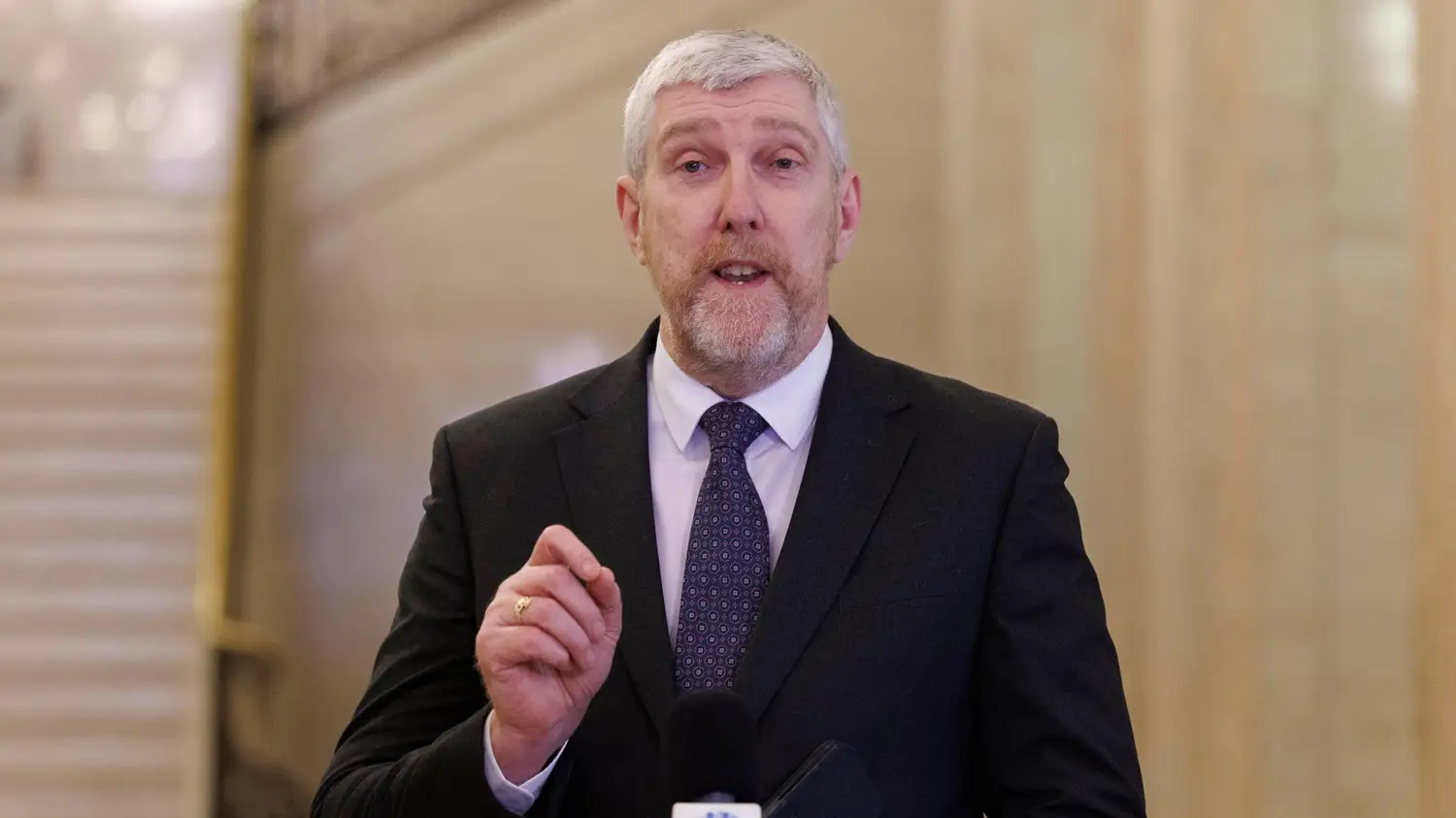
Stormont Finance Minister John O'Dowd has disputed the findings of a Treasury review into the Northern Ireland Executive's finances, arguing it makes unfair comparisons and fails to recognise local challenges.
The review was conducted after the executive overspent by £400m in the previous financial year. It suggested that bringing the size of the Northern Ireland Civil Service into line with other UK regions was one of several steps that could free up to £3bn annually for public services.
O'Dowd, speaking to the Assembly's finance committee, said the Treasury's analysis contained misleading comparisons. He noted that some functions carried out by the Northern Ireland Civil Service are the responsibility of local councils in Great Britain, distorting headcount comparisons.
On health spending, the Treasury report claimed that per-head expenditure in Northern Ireland, excluding social care, stood at 152% of the level in England. O'Dowd countered that UK government figures show the difference is closer to 6%. He called the Treasury's characterisation of health spending inaccurate.
The minister also highlighted Northern Ireland's rural nature as a factor that increases the cost of delivering public services, a point he said the review overlooked.
Addressing the report's advocacy for local revenue-raising measures, O'Dowd described such proposals as simplistic. He cited the executive's decision to avoid water charges, noting that Northern Ireland remains the only part of the UK without direct household water billing, because of the potential impact on family budgets.
Northern Ireland has been operating without an agreed budget since April, with departments functioning under emergency financial procedures. O'Dowd reiterated the executive's position that the region is underfunded compared to Wales and Scotland and that a budget cannot be settled until additional money is provided.
He warned that a budget must eventually be agreed to prevent serious harm to public services but declined to specify when a critical point might be reached. O'Dowd said the main obstacle was a "lack of urgency" from the Treasury.