MI6 officer who ran IRA back channel during Troubles dies aged 90
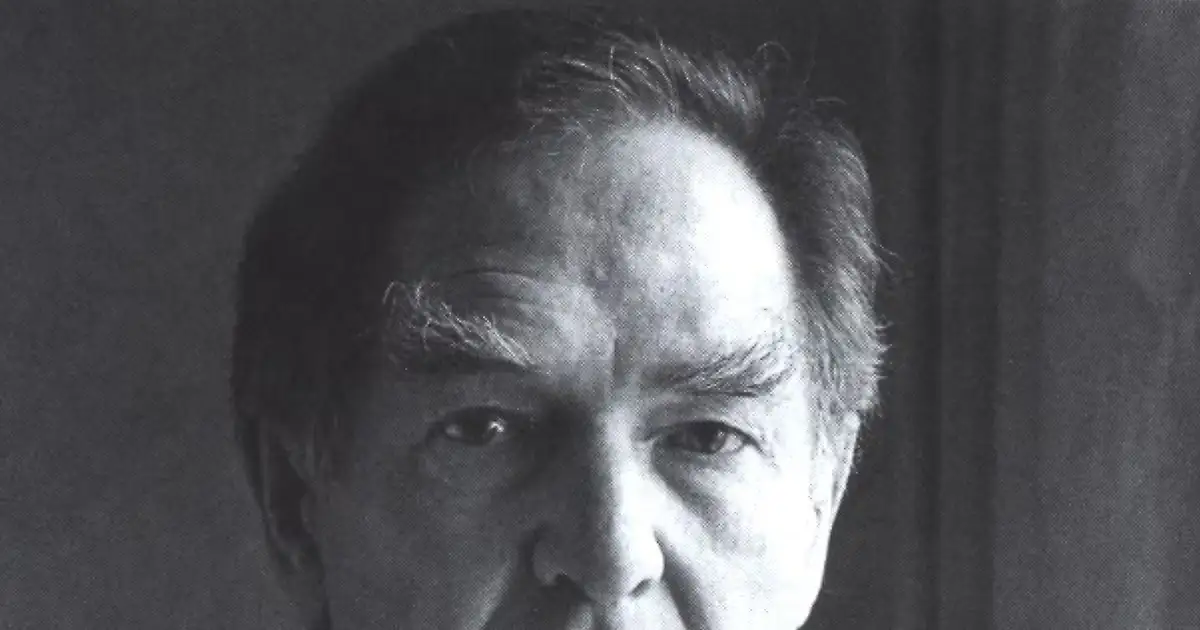
Michael Oatley, the MI6 officer who established and maintained the secret back channel between the British government and the Provisional IRA, has died at the age of 90.
Posted to Northern Ireland in 1973 as assistant political adviser to then-Northern Ireland Secretary William Whitelaw, Oatley was in reality an MI6 officer. He concluded that ending the violence required direct dialogue with the IRA.
Oatley was instrumental in setting up a covert line of communication that operated through intermediaries: Derry businessman Brendan Duddy, then-priest Denis Bradley, and businessman Noel Gallagher. The channel functioned intermittently from the mid-1970s through the 1990s, playing a key role in the 1994 IRA ceasefire and the 1998 Good Friday Agreement.
In the run-up to the 1975 IRA ceasefire, negotiations involving Oatley and senior IRA figures including Martin McGuinness took place at Duddy's home in Derry. The intermediaries were responsible for transporting the participants secretly, often moving IRA army council members across the border from Donegal.
Although that ceasefire collapsed after about six months, Oatley, who used the codename the Mountain Climber, ensured the communication line survived. It was used again during the 1980 hunger strikes, helping to resolve that protest, though not the 1981 hunger strikes in which ten prisoners died.
In 1991, Oatley arranged another meeting with McGuinness through Duddy. The discussions acknowledged the military stalemate and explored a purely political path forward. Oatley indicated that he was retiring but that his role would be taken over by other officials, leading eventually to the 1994 ceasefire.
The 1994 ceasefire broke down in 1996 over British demands for decommissioning before Sinn Féin could join talks. It was restored in 1997, paving the way for the Belfast Agreement in 1998.
In 1999, Oatley made public comments warning that the decommissioning issue should not be allowed to derail the peace process. He criticised the then government's approach as provocative and stated that he had no doubt about the commitment of Gerry Adams and Martin McGuinness to finding a political solution.
Denis Bradley, one of the intermediaries, described Oatley as charming and sympathetic, with the qualities of a skilled diplomat. Brendan Duddy recalled him as an articulate and honourable figure who became an educator in the process.
Oatley was born in London, the son of physicist Sir Charles Oatley, who developed the first commercial electron microscope. He studied at Trinity College, Cambridge, and joined the Foreign Office in 1959 before being recruited by MI6. He served in Ghana, Uganda, and was posted to Dublin in 1972 before his move to Northern Ireland.
After leaving MI6, Oatley worked in private security, including efforts to recover hidden wealth of Saddam Hussein and misappropriated South African state funds. He was appointed OBE in 1975 and CMG in 1991. He maintained ties with Northern Ireland and attended Brendan Duddy's funeral in 2017. He expressed delight when the DUP and Sinn Féin entered a powersharing government in 2007. He is survived by his second wife, Mary Jane Laurens, and his children from both marriages.