Northern Ireland Wildfires Increase with Favorable Conditions and Deliberate Starts
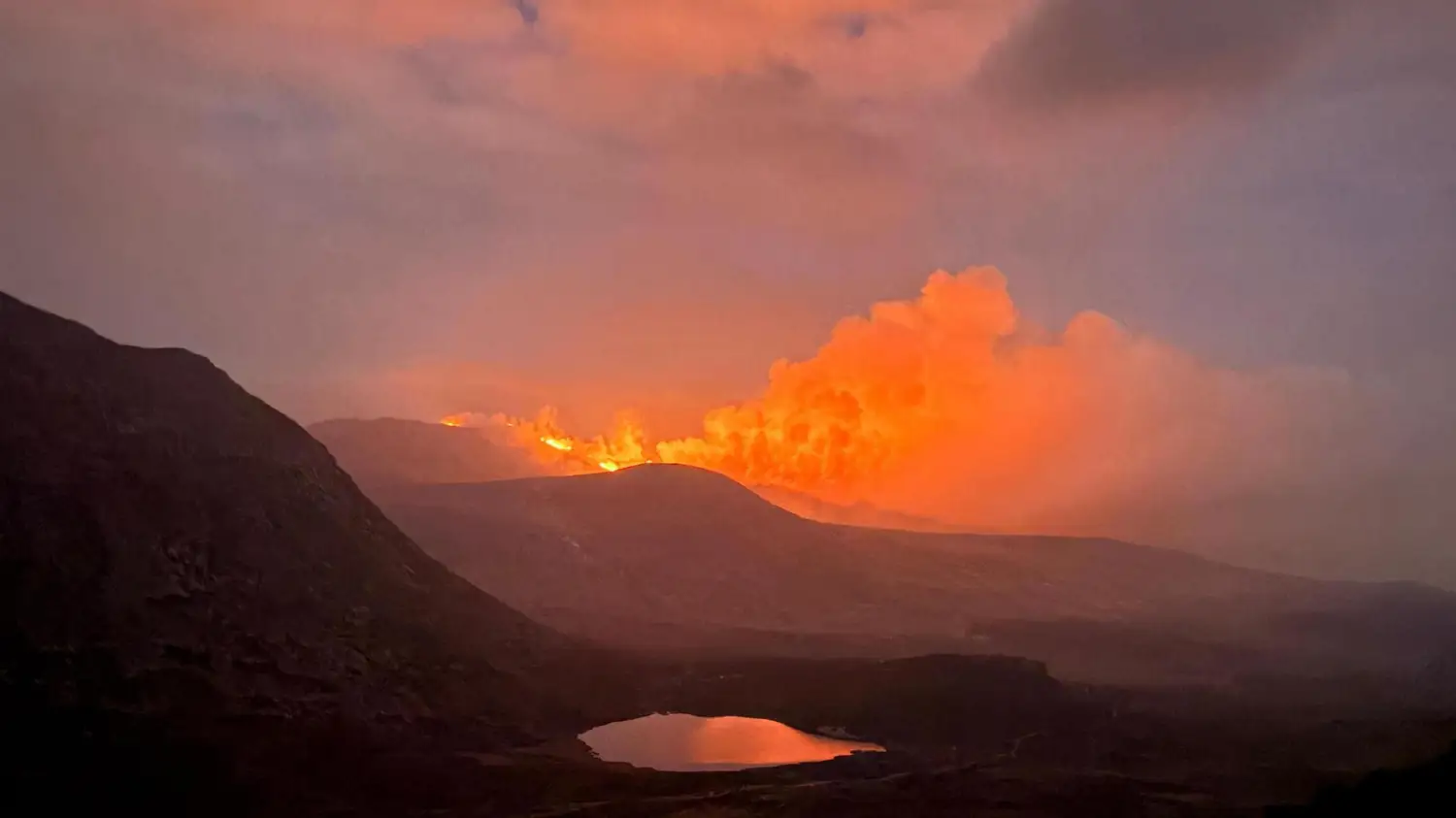
Northern Ireland faces increased wildfire risks due to more frequent spring droughts and fire weather conditions. Researchers at Imperial College London note that spring, the peak season for such fires, now sees drought events occurring more often. Fire weather, defined by warmth, dryness, and wind, has risen sharply, allowing fires to ignite and spread quickly.
Wildfires broke out in late April in the Mourne Mountains. The Northern Ireland Fire and Rescue Service deployed 350 crew members and officers to tackle blazes starting from April 25. A fire on May 1 off Tullyree Road outside Kilcoo destroyed 10 hectares of land and took seven hours to extinguish.
The service classified the Tullyree Road fire and several Mourne blazes as deliberate ignitions. These incidents placed significant demands on fire resources across the province.
The Department of Agriculture, Environment and Rural Affairs launched an action plan earlier in April to reduce wildfire threats. Spring remains the primary risk period, with dry grass and heather prone to burning.
Climate change intensifies these conditions by drying vegetation earlier and extending flammable periods. Theodore Keeping, research associate at Imperial College London, stated that climate change exacerbates wildfire danger in the UK, with greater warming increasing severe spring droughts. He added that fire-prone conditions will continue as long as human-caused climate change persists.
Summer wildfire risks are also growing, with more severe fire weather periods suggesting a longer season ahead.