Derry Transplant Patient Avoids A&E Amid Fears Over Hospital Infections
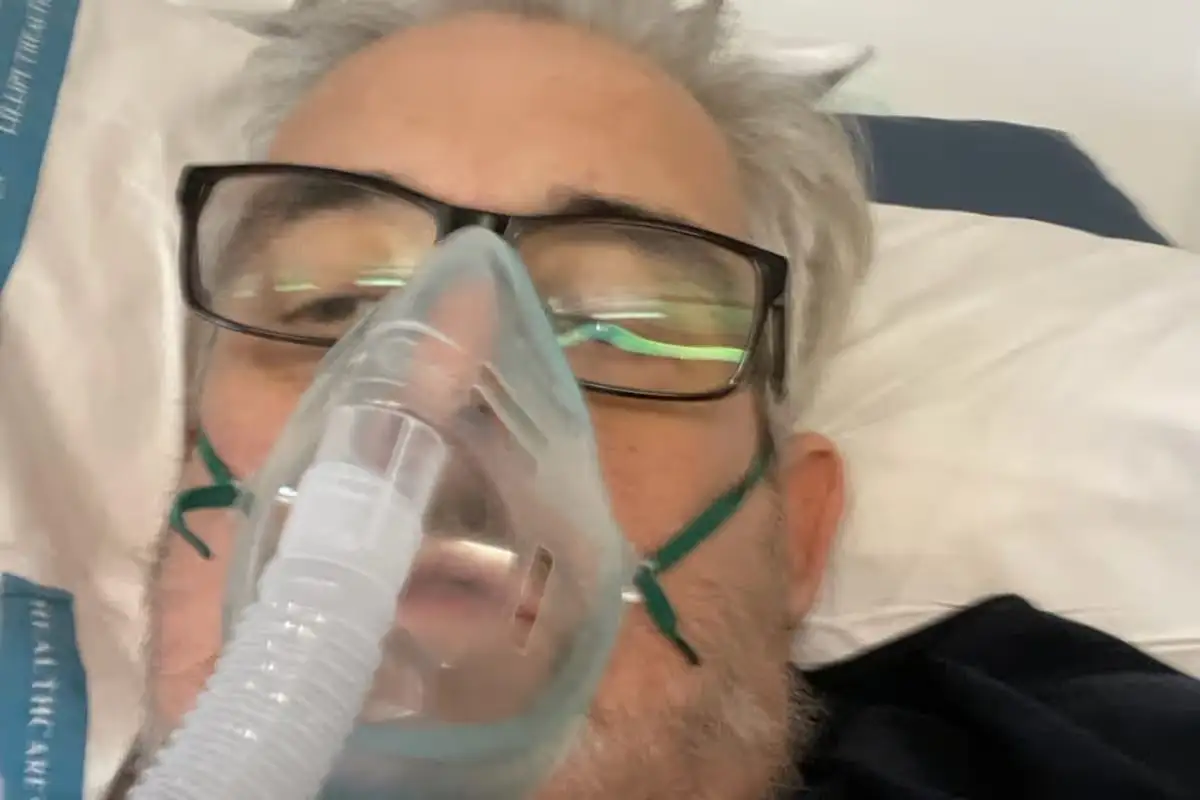
Brian Campbell, a Derry resident and transplant patient, faces risks of coma from unstable diabetes but chooses to manage his condition at home rather than attend Altnagelvin Hospital's A&E. He underwent a liver transplant at King's College Hospital in London and later received a porcine aortic valve replacement. These procedures left him immunosuppressed with complex health needs.
Campbell reports repeated dizziness, fainting, and blood sugar drops to dangerous lows, especially overnight, after stopping Mounjaro medication. His GP advised urgent A&E care, but he declined due to prior exposures in crowded waiting areas. He recalls sitting near a patient with suspected sepsis and others awaiting psychiatric transfer.
As a quality systems auditor, Campbell observes operational delays in A&E, such as ambulances held up by handover processes. He emails his GP and consultant for guidance on insulin management instead of phoning the diabetes team.
Campbell expressed fear of not waking up some mornings and reluctance to enter what he views as a life-threatening environment for immunosuppressed patients. He monitors his condition at home and documents his experiences.
A Western Health and Social Care Trust spokesperson stated patient safety remains the priority. The Trust shared Campbell's concerns with his clinical team and urged him to contact the diabetes team directly. Emergency departments triage by clinical urgency and apply infection controls, though full separation by condition proves challenging during high demand.
The Trust explained that patients must stay within A&E for monitoring and escalation. It uses alternatives like Acute Care Units and Same Day Emergency Care where suitable, but A&E provides essential diagnostics for acute deterioration.