OEP Calls for Stronger Rules on Farm Nutrient Pollution in Northern Ireland
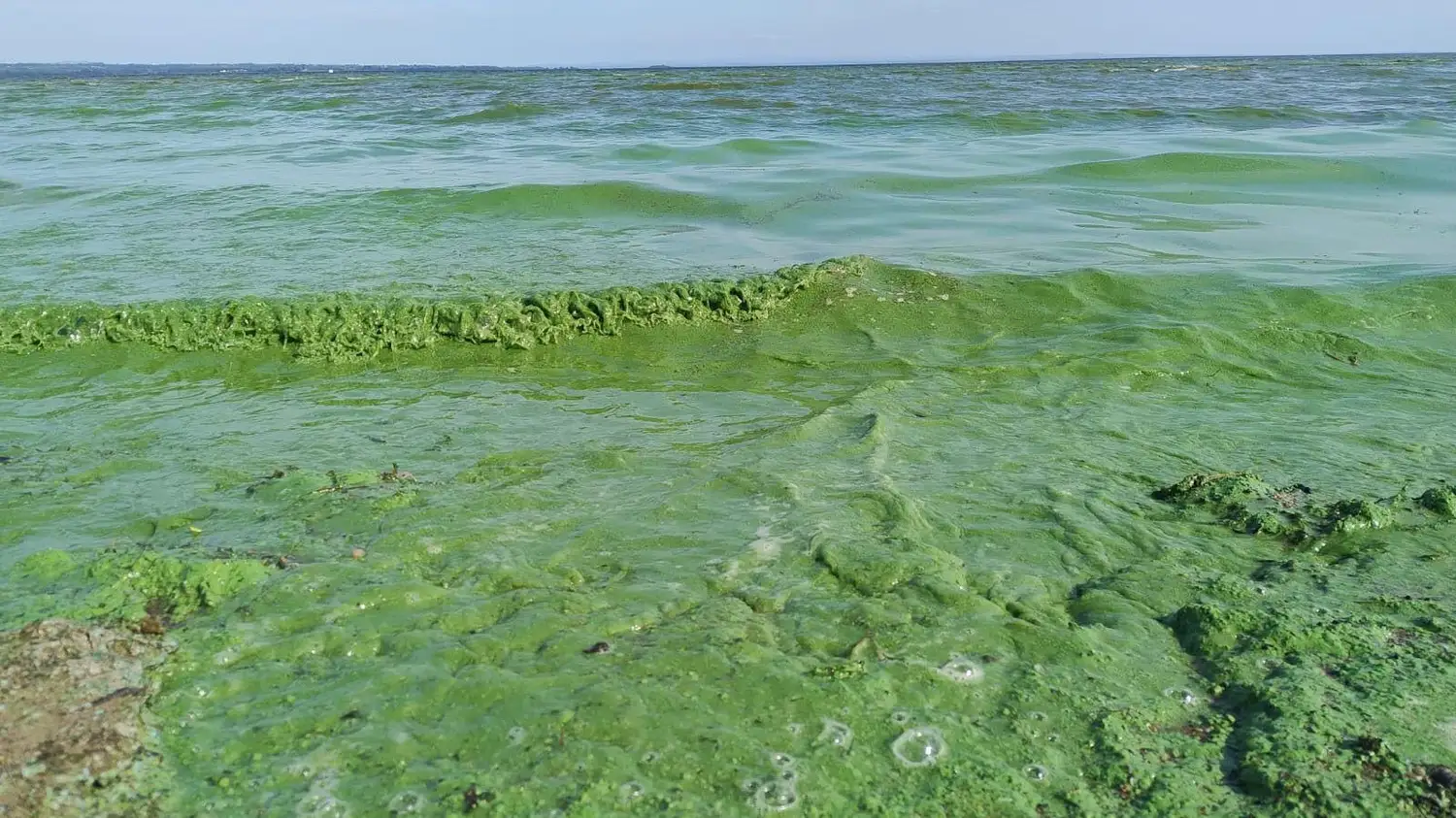
The Office for Environmental Protection has reviewed the 2019 Nutrients Action Programme in Northern Ireland and found gaps in regulations that limit efforts to curb nutrient pollution from farms. The programme, launched in 2007 and reviewed every four years, aims to reduce water pollution from agricultural sources. Nutrient pollution ranks as a top environmental priority for the OEP in the region.
The review identifies agricultural runoff from imported animal feed and fertiliser as a key factor in water pollution, damage to habitats, and blue-green algal blooms in Lough Neagh and other areas. It concludes the current rules will fail to meet goals for air, water, and land quality. The OEP chief scientist Robbie McDonald stated that delays in fixes would worsen the water crisis and burden future farmers.
McDonald noted robust evidence shows the agri-food industry contributes heavily to nutrient pollution and must help reduce it. He called on government, industry, and businesses to support a fair shift for farmers. The OEP made 12 recommendations, including more farm inspections, farmer advice, and updates for climate change.
The report praises farmer investments since 2007 but stresses further changes are essential. It suggests fines for pollution have limited impact, while civil and criminal sanctions should stay options based on case scale. Agriculture minister Andrew Muir said water quality improvement is a priority and the programme fits into broader measures.
Muir awaits a task and finish group's final report soon, ahead of public consultation on revised rules in weeks. The new programme was due in 2024, but a 2026-29 proposal from last year drew farmer criticism. Industry representatives joined the review group, with updated proposals set for 2026.
Ulster Farmers' Union deputy president John McLenaghan said farmers are engaged in the process and policy must balance environment, food production, and rural economies. He added all society sectors must contribute to water quality efforts.