Veterans Associations Call for Halt to Northern Ireland Legacy Bill Over Suicide Risks
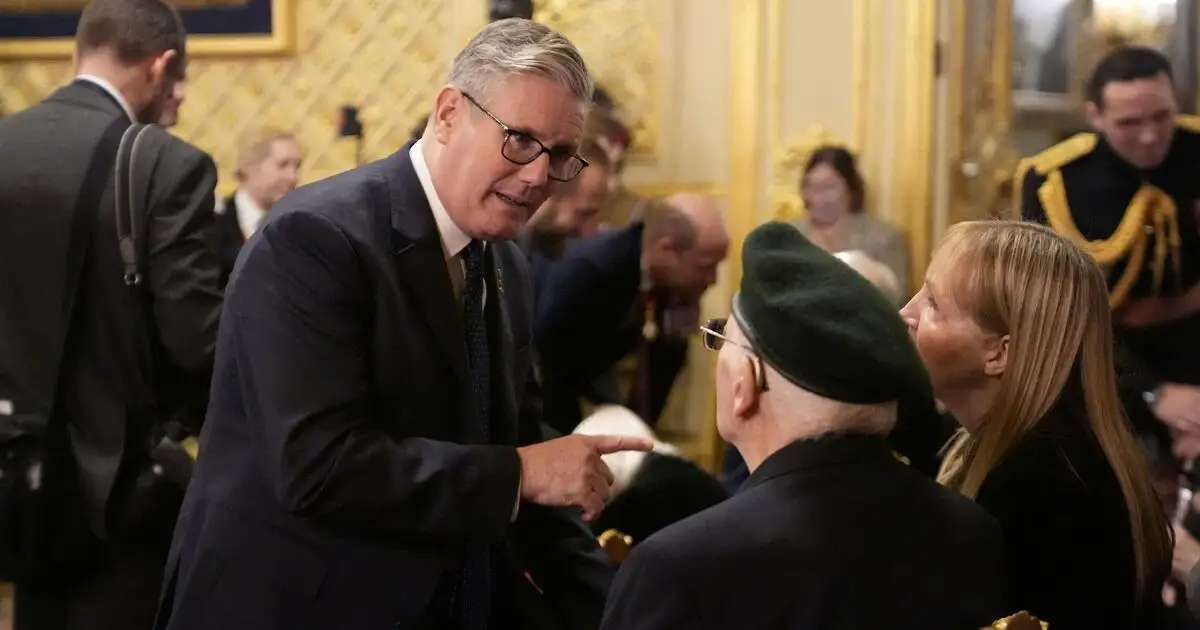
Military associations representing SAS, Special Boat Service, and Special Reconnaissance Regiment veterans sent a joint letter to MPs on Monday. The groups demand a delay to the Northern Ireland legacy bill, which they state persecutes former special forces soldiers who served in Northern Ireland.
The bill replaces the previous Legacy Act that protected veterans from civil and criminal actions related to the Troubles. The government says the earlier protections violated the European Convention on Human Rights and blocked proper examination of alleged abuses.
The new framework establishes a commission to investigate Troubles-era deaths alongside revised safeguards for security force members. Veterans groups argue these safeguards lack strength.
The associations report that elderly veterans face relentless court proceedings in Northern Ireland despite faithful service. They claim some veterans have reached suicide due to state treatment.
One veteran, identified as Fred, attempted suicide after learning his medical records would go to families of deceased terrorists linked to a past incident. He survived but now communicates via his wife, cannot work, and experiences ongoing suicidal thoughts after legal contacts.
If the bill passes without changes, up to nine historic inquests could reopen. The SAS Regimental Association has told members to withhold evidence from future proceedings and warned of a boycott.
Shadow Northern Ireland Secretary Alex Burghart proposed amendments to bolster veteran protections, in collaboration with General Sir Peter Wall, British Army head from 2010 to 2014, and General Sir Nick Parker, final commander of operations in Northern Ireland.
A SAS Regimental Association spokesman expressed concern over absent concrete assurances or draft amendment text ahead of committee stage. The association requests a delay for scrutiny by all involved parties, including generals and veterans commissioners.
The government acknowledged the letter. Northern Ireland Secretary and Defence Secretary plan continued talks with veterans and former officers. Officials affirm no moral equivalence exists between Armed Forces and terrorist groups, and the approach provides robust legal protections for Operation Banner veterans, barring repeat investigations and required travel to Northern Ireland.