Government Secures Continuation of Troubles Legacy Bill in Commons Vote
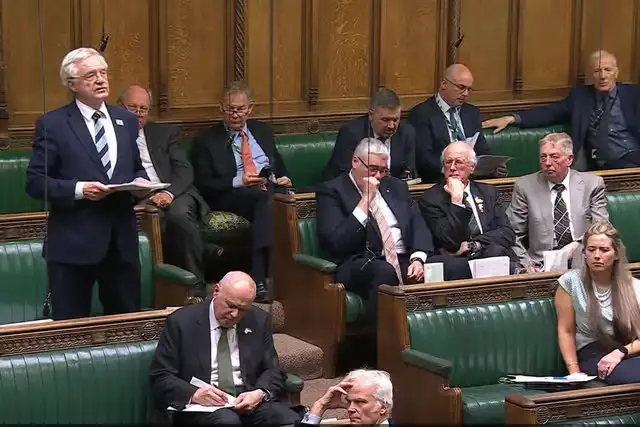
The UK government passed a motion late Monday in the House of Commons to extend the Troubles Legacy Bill into the next parliamentary session. The carry-over motion succeeded with 279 votes in favour and 176 against.
The bill establishes a Legacy Commission to examine historical Troubles cases, allows re-opening of inquests, and permits civil claims against the state. It replaces a prior Conservative measure that courts ruled incompatible with international law for offering conditional immunity from prosecutions.
Several MPs noted the absence of the armed forces minister from the debate and vote. Conservative MP David Davis stated the legislation prioritises interests of the Irish government and others over veterans and enables more legal cases against military personnel from Troubles incidents.
Iain Duncan Smith, another Conservative MP with Northern Ireland service, indicated the minister avoided the front bench due to disagreement with the bill. Esther McVey, also Conservative, observed the minister's absence from the chamber for the motion.
The Ministry of Defence rejected claims of internal opposition. It stated the prior act failed to protect veterans and that new amendments at committee stage will add safeguards alongside existing protections in the bill.
Unionist MPs from Northern Ireland, including UUP's Robin Swann and DUP's Sammy Wilson, expressed views of behind-the-scenes resistance from the ministry before the debate.
Northern Ireland Secretary Hilary Benn remarked that addressing Troubles legacy remains challenging due to differing views but represents a final opportunity to fulfil Good Friday Agreement aims. Labour MP Bayo Alaba, a former paratrooper, called for further refinement to ensure confidence among veterans and families.