Fermanagh Forester Named Climate Champion for Woodland and River Protection
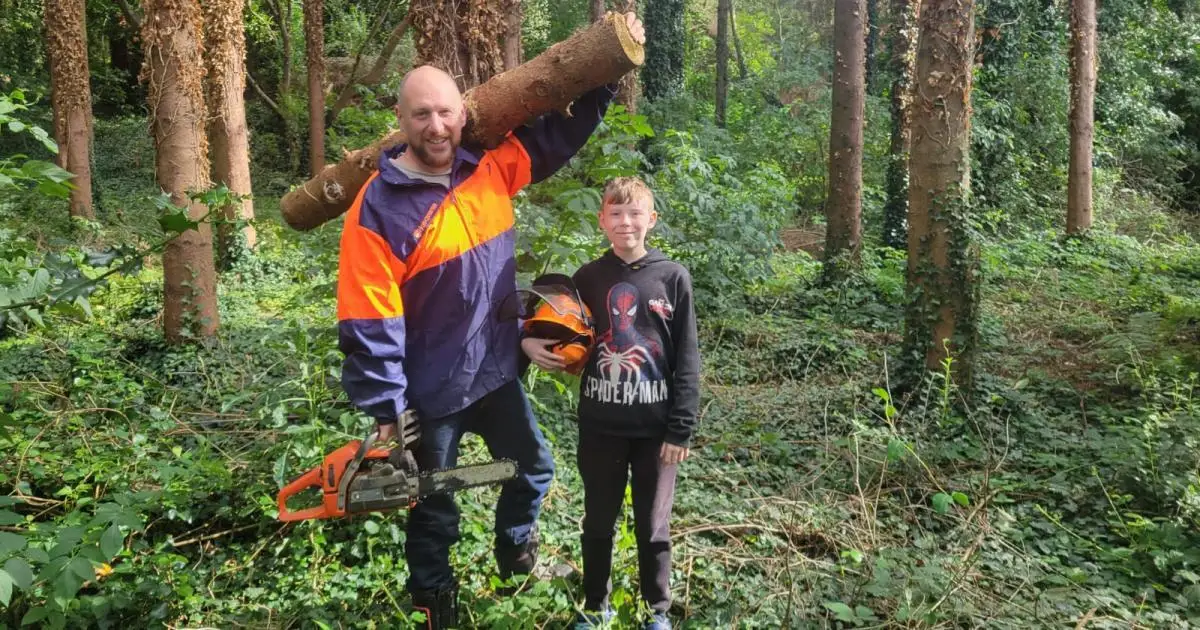
Roy Spence, a forester working in Fermanagh and South Tyrone for more than 25 years, has been named Fermanagh and Omagh District Council's Climate Champion for September.
Spence joined the Forest Service in the late 1990s. He has observed shifts in forestry practices, including greater respect for watercourses, avoidance of replanting peatlands after clearfelling, and increased use of native trees over extensive Sitka spruce planting.
He identifies fewer foresters and industrial forest staff as challenges in the sector. Spence notes reluctance among some farmers to plant trees, despite evidence that trees can improve productivity, fertility, provide shelter, and prevent erosion when placed correctly.
Spence advocates for the right tree in the right place and offers to discuss this with landowners. He reports positive trends in garden management, such as shifts from green lawns to wildflower meadows and no-mow verges.
At a talk in Monaghan, Spence observed enthusiasm among young farmers for tree planting and farm protection. He sees public awareness influencing policy, recycling, and reduced chemical use, though litter and dumping persist.
Spence proposed the National Woodland Network Project to address waterway pollution, citing Lough Neagh as an example of poor water quality. The project targets agricultural and forestry grants to create woodland buffers along Northern Ireland's 25 Atlantic salmon rivers.
These buffers would protect against agricultural run-off and sedimentation, link fragmented wildlife populations, reduce flooding, capture carbon, and improve soil health. Spence, a member of the River Blackwater Catchment Trust with Alan McCabe, emphasizes engaging young people in environmental education.
He highlights apathy, denial, and lack of understanding as key barriers in Fermanagh and South Tyrone, alongside issues like habitat loss, wildfires, water pollution, and climate change. Spence urges local actions such as litter picks, reducing water use, creating wildlife-friendly gardens, installing bird and bat boxes, and supporting environmental groups.