PSNI Expands Efforts Against Child Criminal Exploitation on Awareness Day
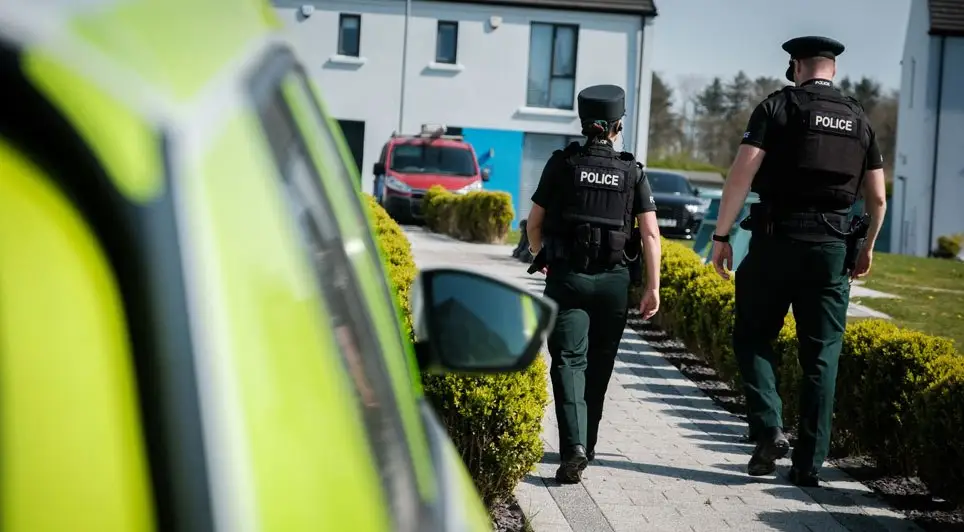
The Police Service of Northern Ireland marked CE Awareness Day by expanding its focus to include child criminal exploitation alongside child sexual exploitation. Detective Chief Inspector Claire Gilbert stated that all forms of child exploitation amount to child abuse, with vulnerable young people targeted, groomed, and manipulated for profit.
Since the start of a devolved National Referral Mechanism pilot in January 2026, 13 children have been referred to the panel in Northern Ireland. Three cases involved local exploitation: two linked to child criminal exploitation and one to child sexual exploitation.
Currently, 42 children are on the child sexual exploitation framework. Between 1 April 2025 and 2 March 2026, police conducted 54 child sexual exploitation investigations, leading to five charges for offences that include abduction of a child in care, sexual activity with a child under 13, and possession of indecent images.
Police noted a rise in children coerced into criminal activities such as drug supply through grooming, debt bondage, and intimidation. Gilbert said the expanded approach aims to spot at-risk children sooner, disrupt offenders, and safeguard victims with partners instead of criminalising them.
New measures include a cross-departmental action plan with the Department of Justice, a CCE Delivery Group in the Public Protection Branch, enhanced data recording to track cases and networks, updates to prosecutorial documents, person flags for at-risk children, and reports to the Northern Ireland Policing Board.
PSNI is working with the Safeguarding Board for Northern Ireland and Queen's University Belfast on screening tools and analysis. Training updates cover an organisation-wide eLearning package, foundation and specialist programmes, and multi-agency exercises.
Warning signs listed by police include unexplained money, clothes, phones, or gifts; new older friends; going missing overnight; increased secrecy; sudden behaviour changes; poor school attendance; physical injuries; multiple phones; and signs of anxiety or withdrawal.
Reports can be made via 101 for non-emergencies, 999 for emergencies, or anonymously through Crimestoppers.