Michelle O'Neill Skips Middle East Conflict Briefings at Stormont
Northern Ireland's First Minister Michelle O'Neill declined to attend government briefings on the Middle East conflict. She viewed the sessions as presentations by British authorities on their military operations. Her absence could signal endorsement of those forces, she indicated.
Major parties at Stormont criticised O'Neill's decision. The briefings aimed to deliver key information to devolved administrations.
The conflict involves fighting between Iran and US-Israeli forces. It entered its tenth day. Iran's supreme leader died in an Israeli strike at the outset. His son Mojtaba Khamenei took over as successor.
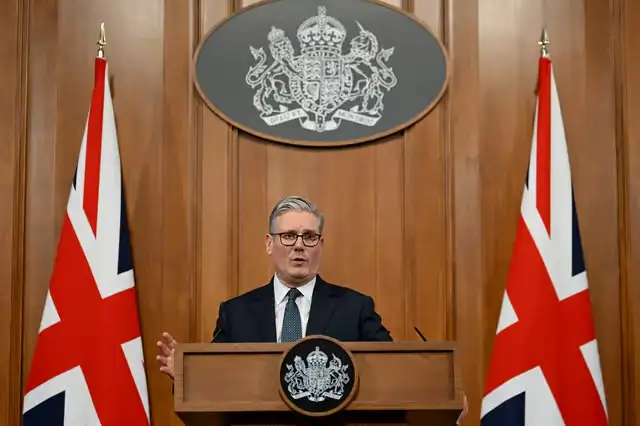
UK Prime Minister Sir Keir Starmer addressed economic effects from the conflict. Oil prices reached about 114 dollars a barrel. He stated the UK works continuously to protect citizens. Government flights assisted Britons in returning from the region. Over 32,000 nationals departed by air since March 1.
Starmer permitted defensive US operations from UK bases, including RAF Fairford in Gloucestershire. Four US bombers arrived there. UK forces countered an Iranian drone attack toward Iraq. RAF Typhoons and F-35 jets flew defensive missions.
A UK base in Cyprus sustained a drone strike last week. Chancellor Rachel Reeves forecasted falling inflation and economic growth in her Spring Statement. She noted government policies suit uncertain conditions.
Foreign Secretary Yvette Cooper defended Starmer's approach. She stressed Britain decides its own policies. Lib Dem leader Sir Ed Davey called for cancelling the King's US state visit.